The Most Common HRIS Mistakes I've Seen in CA , And How We Fixed Them
Let me be blunt: California is a compliance minefield, and your HRIS is either your best defense or your worst liability.
After years of working with small and mid-sized businesses across California, I've seen the same HRIS mistakes play out over and over. And here's the thing, these aren't just "oops, we missed that" errors. These are ticking time bombs that can lead to wage claims, PAGA lawsuits, and five-figure penalties.
The good news? Most of these mistakes are 100% fixable. You just need to know what to look for.
The 'California Overtime' Trap: When Your System Doesn't Speak CA
Here's a scenario I see constantly: A growing tech startup implements a shiny new HRIS that works beautifully in their Dallas and Atlanta offices. Then they expand to California, flip on the "CA overtime rules" toggle in the system, and assume they're good to go.
Spoiler alert: They're not.
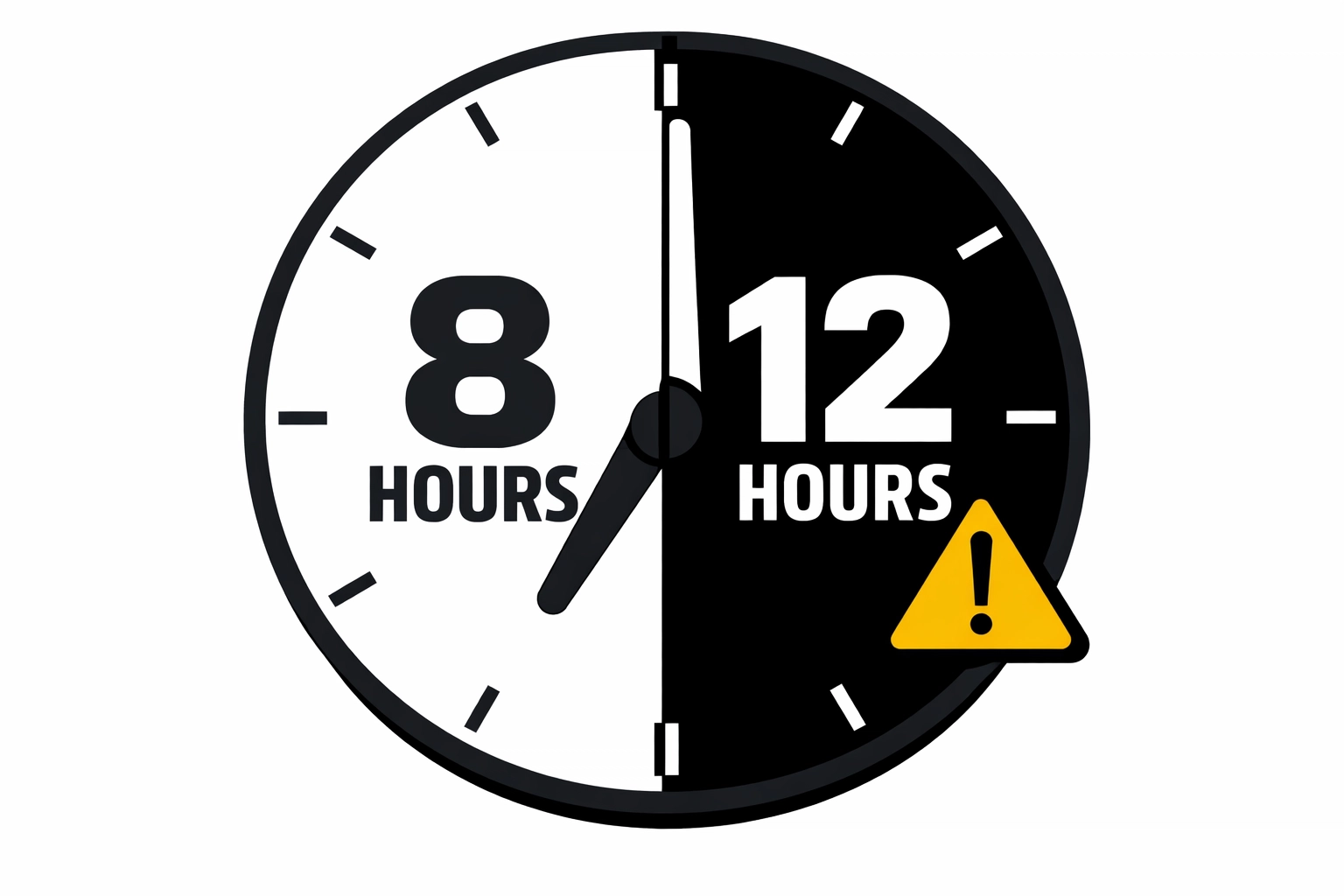
Most HRIS platforms are built with federal overtime rules in mind: 40 hours per week triggers time-and-a-half. That works in 49 states. But California? California doesn't care about your weekly totals until after it calculates daily overtime.
Here's what goes wrong:
Systems miss daily overtime (over 8 hours in a workday)
They completely ignore double-time after 12 hours in a single day
They fail to calculate the 7th consecutive workday correctly
Employees in different work schedules (like 4/10s or 9/80s) get miscalculated
I once audited an HRIS for a hospitality client where their system had been underpaying overtime for 18 months. The exposure? Over $87,000 in back wages, plus penalties. Why? Because the system was calculating OT weekly, not daily.
How we fixed it:
We rebuilt their overtime calculation rules from scratch, created custom earning codes for CA daily OT and double-time, and set up automated audit reports that flag any unusual OT patterns. Now, their payroll team catches errors before checks go out, not after an employee files a wage claim.
Meal Break Penalties: The $50 Mistake You're Making Every Day
California's meal and rest break rules are notoriously picky. Miss a meal break? That's a full hour of pay at the employee's regular rate. Miss it for 20 employees over a month? That's real money walking out the door.
But here's the kicker: Most HRIS systems don't automatically track or calculate these penalties.
The most common mistakes I see:
No automated meal break attestation workflow (employees aren't confirming they took their breaks)
Time clocks that don't flag missed or short meal periods
No process for calculating and paying the premium when breaks are missed
Supervisors who aren't alerted when employees are working through lunch
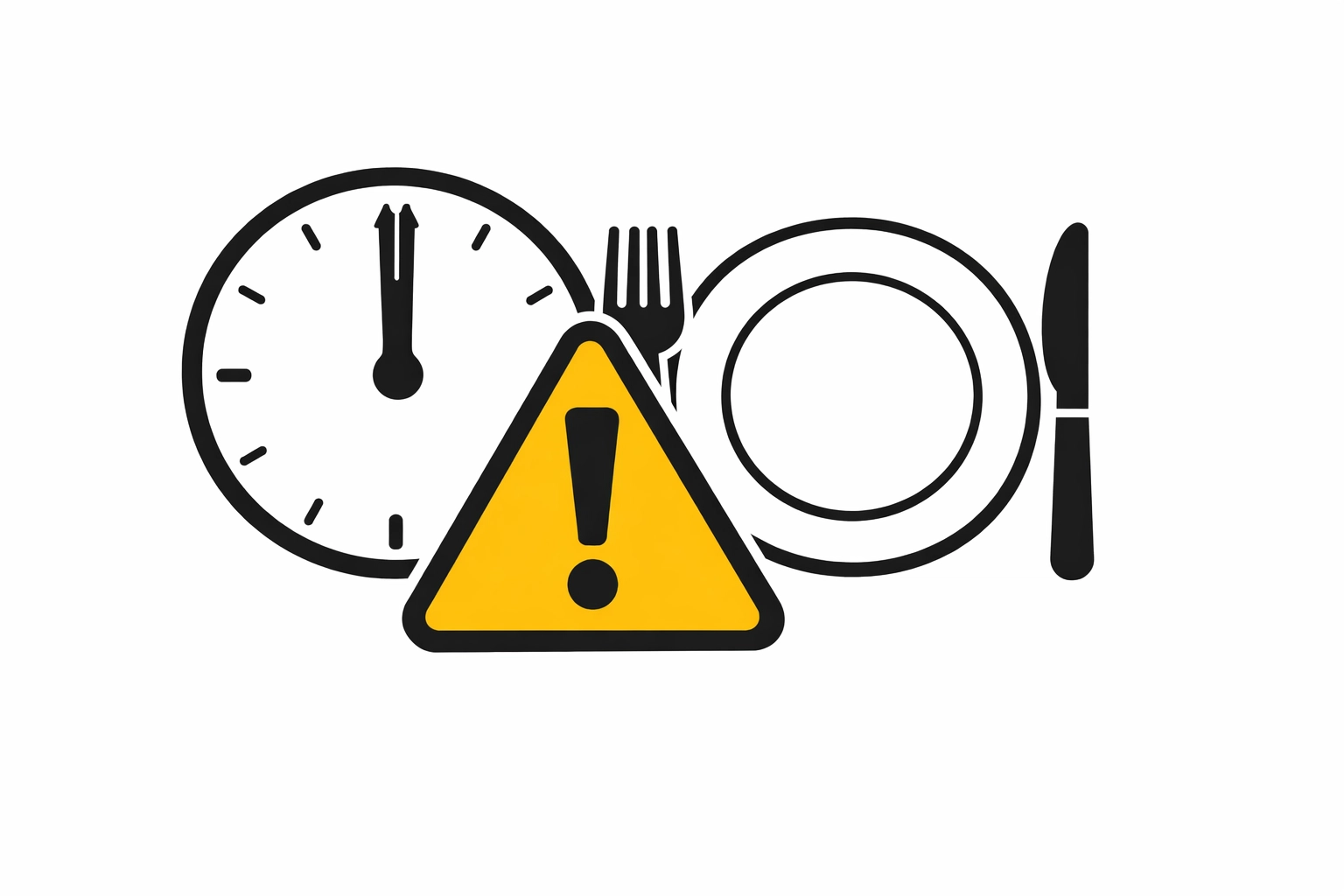
One manufacturing client came to us after an employee filed a Private Attorneys General Act (PAGA) claim alleging systematic meal break violations. When we dug into their data, we found that their HRIS recorded the meal breaks, but never enforced them. Supervisors had no visibility, and there was no accountability.
How we fixed it:
We configured automated alerts that notify managers when an employee works more than 5 hours without clocking out for a meal break. We also built an end-of-pay-period workflow that requires employees to attest whether they took all required breaks. If they indicate they didn't, the system automatically calculates and adds the premium pay to their next check. No manual intervention needed.
Accrual Agony: When Your Sick Leave Math Is Just... Wrong
California's sick leave laws have been updated more times than anyone can count, and if your HRIS isn't keeping up, you're probably out of compliance.
As of 2024, California employers must provide at least 40 hours (or 5 days) of paid sick leave annually. Sounds simple, right? Except there are multiple accrual methods allowed, carryover rules, caps, and frontloading options: and most HRIS systems get at least one piece wrong.
What we commonly find:
Accrual rates set incorrectly (1 hour per 30 hours worked is the standard, but many systems default to different rates)
Carryover limits configured wrong (employees should be able to carry over unused time, but usage can be capped at 24 hours per year under certain conditions)
Part-time and variable-hour employees getting shorted
No differentiation between company PTO policies and state-mandated sick leave
A retail client discovered during our audit that their HRIS was capping sick leave accruals at 3 days instead of 5 days. For three years. That's a lot of upset employees and potential liability.
How we fixed it:
We reconfigured their accrual policies to align with California's current requirements, set up separate accrual buckets for state-mandated sick leave versus company PTO, and created quarterly audit reports to ensure accruals stay accurate. We also documented everything so when the law changes again (because it will), they know exactly where to update the system.
The PAGA Risk: Why Messy Data Is a Lawsuit Waiting to Happen
Let's talk about the elephant in the room: PAGA claims.
The Private Attorneys General Act allows employees to sue on behalf of themselves and other employees for Labor Code violations. And guess what the first thing a PAGA attorney does? They request your payroll and time records.
If your HRIS data is messy, inconsistent, or incomplete, you're handing them evidence on a silver platter.
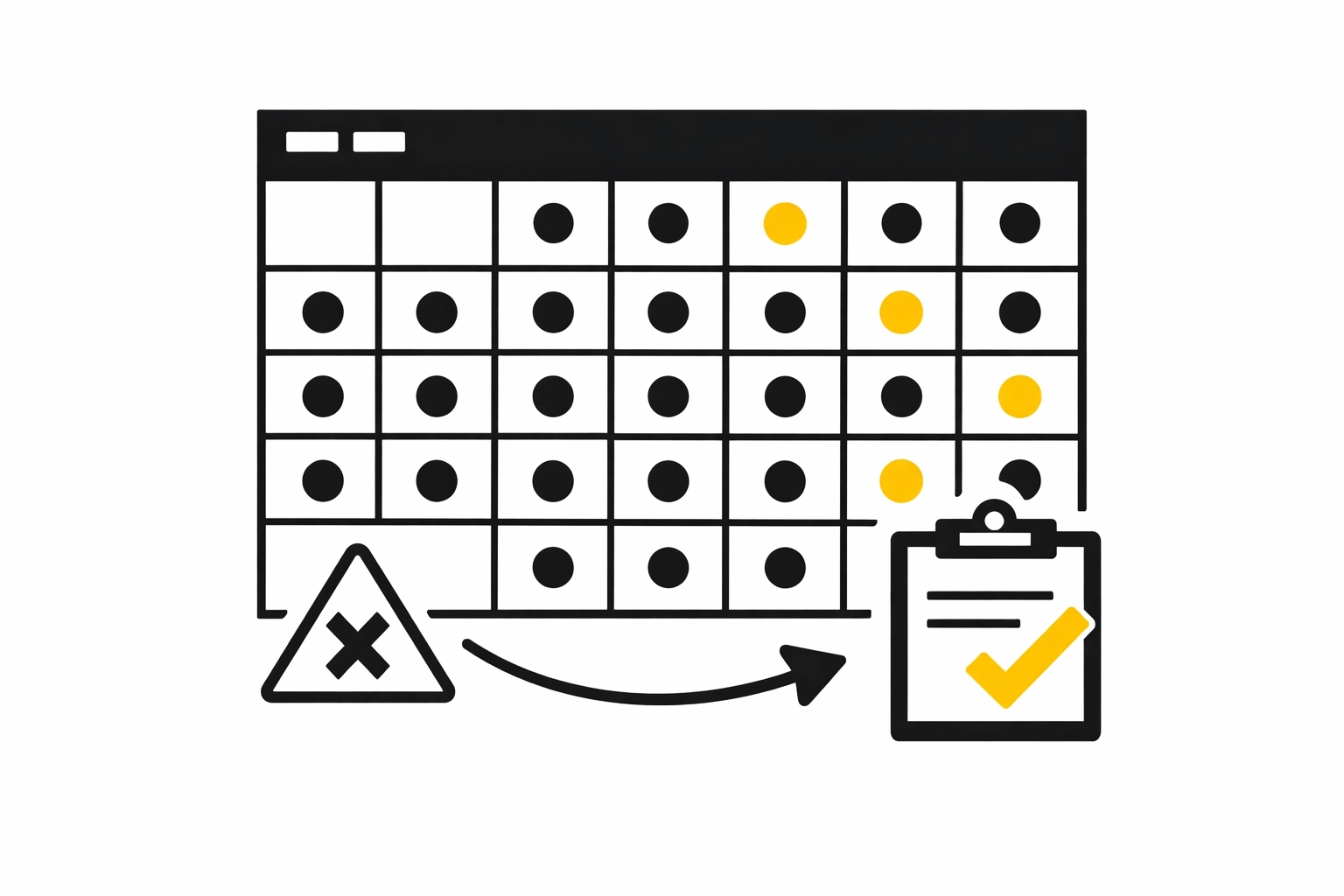
The data issues that invite lawsuits:
Inconsistent job codes and classifications (are your inside sales reps exempt or non-exempt?)
Missing or incomplete time records
Pay stubs that don't clearly break out all earnings and deductions
No documentation for policy exceptions or meal break waivers
Inaccurate or outdated employee information
I worked with a logistics company that faced a PAGA claim for improper classification of drivers. When we pulled their HRIS data, we found three different job codes for essentially the same role, inconsistent exemption statuses, and no clear audit trail for why certain employees were classified differently. That's a lawyer's dream case.
How we fixed it:
We conducted a full job classification audit, standardized all job codes, and retrained their HR team on proper FLSA and California wage-hour classification rules. We also implemented quarterly compliance checks where we review any new positions or reclassifications before they're entered into the system. Now, if they ever face a PAGA claim, they have clean data and clear documentation to defend their practices.
The JHHR Audit Process: How We 'Lawsuit-Proof' Your HRIS
Here's the reality: Every HRIS implementation is different, and California compliance isn't something you can just "set and forget."
When we audit an HRIS for California compliance, we're not just checking boxes. We're stress-testing your system against the actual way your business operates.
Our audit process includes:
The goal isn't perfection: it's risk mitigation. We want your HRIS to be an asset, not a liability.
Stop Hoping Your HRIS 'Just Works' in California
Look, I get it. You implemented an HRIS to make your life easier, not to become an expert in California labor law. But the reality is, if your system isn't configured correctly for California's unique requirements, you're not just risking penalties: you're creating distrust with your employees and burning your HR team out with constant firefighting.
The mistakes I've outlined here aren't hypothetical. They're patterns we see repeatedly, across industries and company sizes. And they're all preventable.
If you're unsure whether your HRIS is truly California-compliant, reach out to us. We'll walk through your current setup, identify gaps, and help you build a system that actually protects your business.
Because in California, "close enough" isn't good enough.
Comments