What HR Leaders Really Want From Their HRIS in 2026 (Based on 50+ Projects)
- Feb 12
- 5 min read
After working alongside HR leaders on over 50 HRIS projects, I've noticed something interesting: the wish list has evolved dramatically. We're not talking about basic payroll anymore. The bar has moved way up.
Back in 2020, most conversations started with "We just need something that tracks PTO and runs payroll without crashing." Fast forward to 2026, and HR leaders are asking for systems that feel more like mission control than a glorified spreadsheet.
Here's what they're actually prioritizing: and why it matters for your business.
AI That Actually Does Something Useful
Let me be clear: HR leaders aren't asking for AI buzzwords. They're asking for AI that solves real problems.
What does that look like? Think automating the tedious stuff that eats up hours every week. Scheduling one-on-ones across three time zones. Answering the same benefits questions for the tenth time this month. Flagging when someone's about to hit overtime before it becomes a compliance headache.
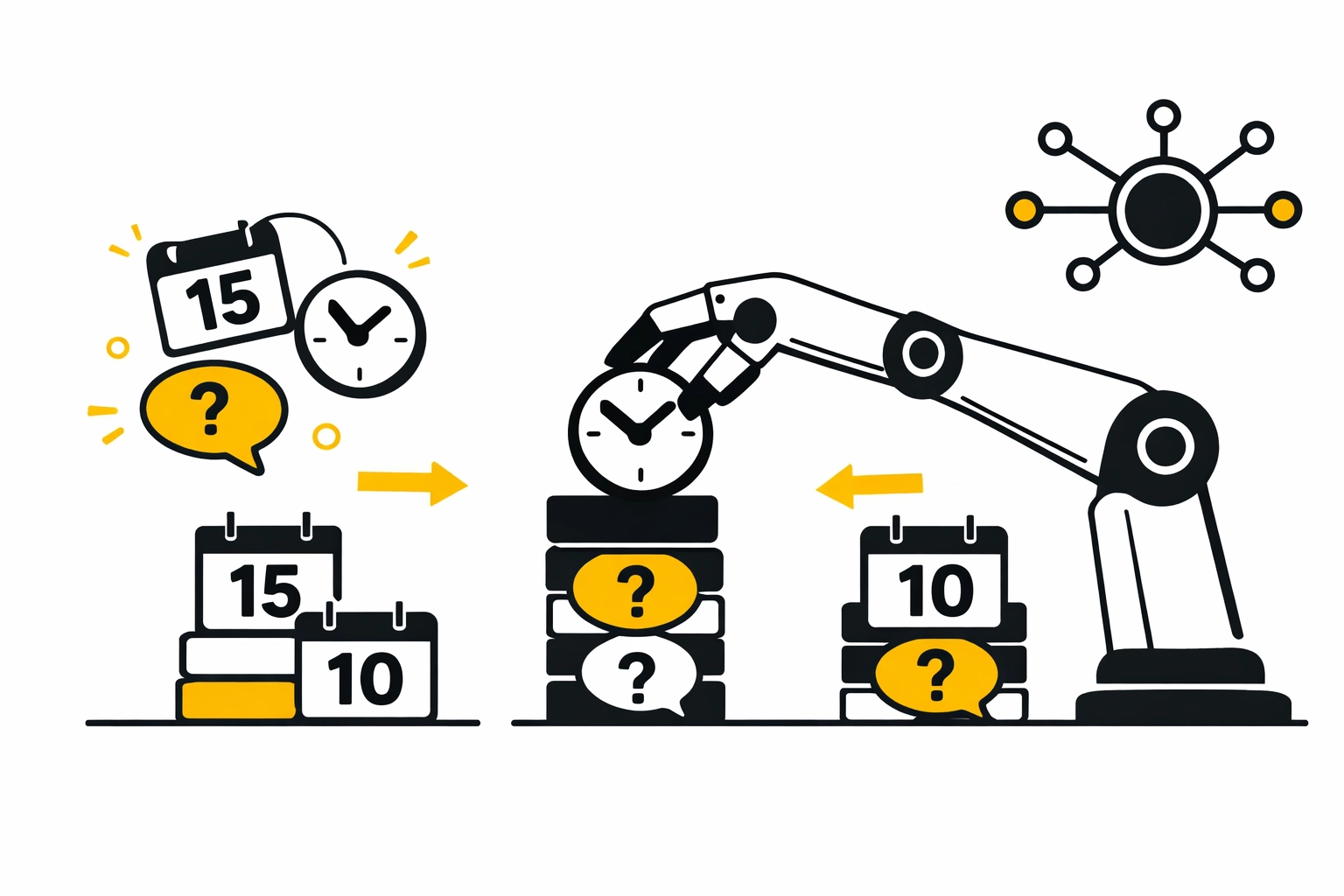
The HR teams we work with want AI assistants that handle Tier 1 employee queries: password resets, policy lookups, basic benefits questions: without requiring a human to jump in. They want predictive analytics that actually predict something useful, like turnover risk or when to start recruiting for seasonal demand.
Here's the catch: most "AI-powered" HRIS tools in 2026 are still pretty underwhelming. They slap a chatbot on top of a clunky interface and call it innovation. Real AI integration means the system learns your company's patterns, adapts to your workflows, and gets smarter over time.
The difference? One saves you maybe 30 minutes a week. The other gives your HR team back 10+ hours to focus on strategy instead of administrivia.
Data Democratization: Stop Making HR the Bottleneck
This one's huge. HR leaders are tired of being the gatekeeper for every single data request.
When a department manager wants to see their team's retention trends or comp benchmarks, they shouldn't have to submit a ticket and wait three days for a PDF report. They should just... see it. In real-time. On a dashboard that makes sense.
The best HRIS configurations we've implemented give managers self-service access to the metrics that matter for their teams: headcount, turnover, performance trends, time-off balances: without exposing sensitive data they shouldn't see.
This isn't about cutting HR out of the loop. It's about freeing them up to do higher-value work. When managers can pull their own reports, HR stops being a data vending machine and starts being a strategic partner.
We're seeing companies build role-based dashboards that surface different insights depending on who's logged in. A sales director sees commission tracking and quota attainment. A finance lead sees labor cost trends. An exec sees enterprise-wide diversity metrics. Everyone gets what they need without drowning in irrelevant data.

The technical term for this is "data governance with appropriate access controls," but really it's just common sense. Make data useful and accessible, but not a free-for-all.
Consumer-Grade Employee Experience (Because 1998 Called and Wants Its UI Back)
Here's a truth bomb: your employees use better apps to order pizza than to request time off. And they notice.
HR leaders in 2026 are demanding HRIS platforms that feel as intuitive as the consumer apps people use every day. Mobile-first. Clean interfaces. Minimal clicks to complete a task. No instruction manual required.
Why does this matter? Because employee adoption makes or breaks an HRIS implementation. If your system is clunky and frustrating, people find workarounds. They email HR instead of using the self-service portal. They forget to log time. They ignore important updates. Your fancy new system becomes expensive shelfware.
The platforms getting the most love right now? The ones that feel like they were designed this decade. Simple onboarding flows. Intuitive navigation. Mobile apps that actually work offline (because not everyone has perfect Wi-Fi 24/7). Push notifications for stuff that matters.
Think about it: if your employee can figure out how to update their direct deposit info in under 60 seconds without calling IT, that's a win. If they have to click through seven menus and call the help desk? That's a system working against you.
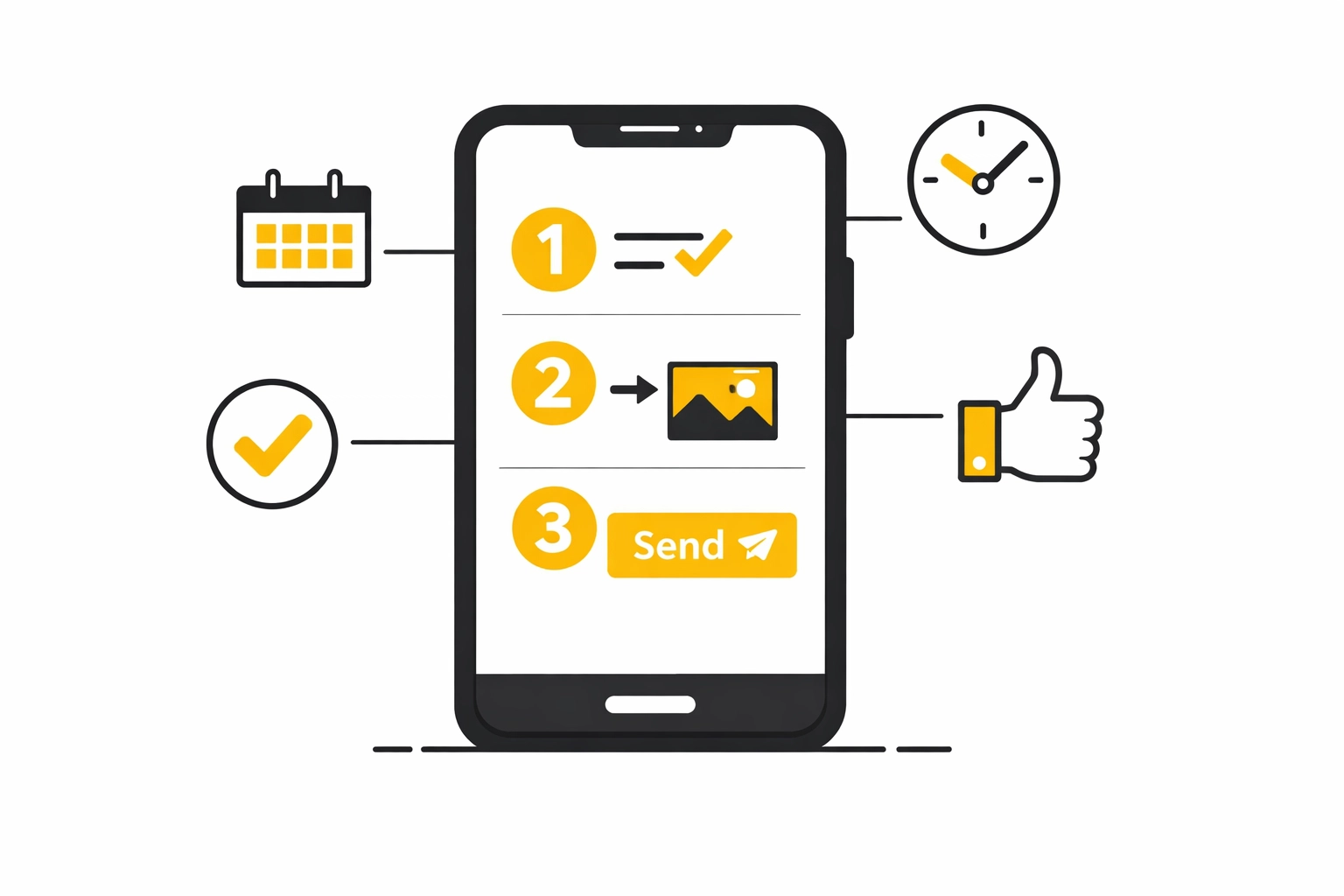
Consumer-grade UX also means personalization. Your sales team traveling internationally sees their benefits and PTO balances in one view. Your warehouse staff clocking in from a tablet see shift schedules and safety training reminders. Everyone gets a tailored experience that makes sense for their role.
Seamless Integrations: Your HRIS Should Play Nice With Everything
The "all-in-one" HRIS promise sounds great until you realize it means "all-in-one-mediocre-at-everything."
Smart HR leaders are building tech stacks where best-of-breed tools talk to each other seamlessly. Your ATS feeds candidate data into your HRIS. Your performance management platform syncs with your learning system. Your time tracking integrates with payroll without manual CSV uploads every pay period.
The key word here is seamless. Not "we can integrate it if you hire a developer for six months." Not "there's a workaround using Zapier and three spreadsheets." Actually seamless.
We've worked with companies running 8-10 integrated HR tools that all communicate through APIs, and it works beautifully: as long as the core HRIS is built to be an integration hub. That means open APIs, pre-built connectors for popular platforms, and webhook support for custom workflows.
Why does this matter? Because your business needs evolve. Today you might need basic recruiting. Next year you might need advanced succession planning. With a flexible, integration-friendly HRIS, you can swap out components without ripping out the entire system.
The vendors that get this are building marketplaces and integration libraries. The ones that don't are building walled gardens that lock you in and limit your options.
Compliance as a Feature, Not an Afterthought
Let's talk about everyone's favorite topic: compliance. (I can hear the collective groan.)
Here's the thing: HR leaders don't want to think about compliance. They want systems that handle it automatically in the background.
In California alone, the regulatory landscape in 2026 is bananas. New wage thresholds. Pay transparency requirements. Ban on stay-or-pay agreements. Expanded reporting mandates. If you're manually tracking all of this in spreadsheets, you're playing Russian roulette with penalty fees.
The HRIS platforms winning right now are the ones treating compliance as a core feature, not a checkbox. They build regulation updates directly into the system. When California changes exempt salary thresholds, your system auto-flags employees who need reclassification. When a new reporting deadline approaches, you get proactive alerts with pre-built export templates.
Compliance should feel like autopilot, not a monthly panic attack.
The Bottom Line
After 50+ HRIS projects, the pattern is clear: HR leaders want systems that work with them, not against them.
They want AI that's actually useful. Data that's accessible without bureaucracy. Employee experiences that don't feel like punishment. Integrations that just work. And compliance that happens automatically.
The gap between what HR teams need and what most vendors deliver is still pretty wide in 2026. But the companies closing that gap: and the HR leaders choosing those solutions: are seeing measurable returns in efficiency, employee satisfaction, and risk reduction.
If you're evaluating HRIS options and these priorities resonate, you're asking the right questions. And if your current system doesn't deliver on these fronts, it might be time to have a conversation about what's possible.
Because in 2026, "good enough" just isn't good enough anymore.
Comments