DIY HR vs. HRIS: 3 Signs Your SMB Is Outgrowing Spreadsheets
Let's be honest, when you started your business, Excel was your best friend. Need to track employee information? Spreadsheet. PTO requests? Another spreadsheet. Payroll data? You guessed it. Spreadsheets are free, familiar, and flexible. They got the job done.
But here's the thing: what works for a team of five doesn't scale to a team of fifty. And somewhere between hiring employee number fifteen and employee number thirty, that trusty spreadsheet starts feeling less like a helpful tool and more like a ticking time bomb.
If you're running HR operations on spreadsheets and feeling the strain, you're not alone. The question isn't whether you'll eventually need an HRIS (Human Resource Information System), it's whether you're already past that point.
Let's dig into the three telltale signs that your SMB has outgrown the DIY approach.
The Problem With Spreadsheet-Based HR
Before we get into the warning signs, let's talk about why spreadsheets fail at scale. It's not that Excel is bad, it's incredibly powerful for what it's designed to do. But HR management isn't one of those things.
Manual entry errors are baked into the process. Every time someone types in a Social Security number, updates an address, or adjusts a PTO balance, there's room for a typo. One wrong digit can mean a payroll disaster or a compliance violation.
Data silos form naturally when different people manage different spreadsheets. Your payroll data lives in one file, benefits information in another, and performance reviews in yet another folder somewhere on someone's desktop. Good luck getting a complete picture of any single employee.
Version control becomes a nightmare. Which file is the most current? Did someone save over the master copy? Is the "Final_FINAL_v3" spreadsheet actually final? These aren't hypothetical problems, they're daily realities for SMBs trying to manage HR manually.

Sign #1: Your Headcount Is Growing Faster Than Your Processes
Remember when you could keep track of everyone's start date, salary, and emergency contact in your head? Those days are gone.
As your team expands, the administrative burden grows exponentially, not linearly. Adding ten employees doesn't just mean ten more rows in your spreadsheet. It means ten more onboarding packets, ten more benefits enrollments, ten more sets of tax documents, and ten more people whose information needs to stay accurate and up-to-date.
Research shows that businesses with 50 or more employees typically see the clearest benefits from implementing an HRIS. But the pain often starts much earlier. If you're in the 20-30 employee range and already feeling overwhelmed, that's a sign you're approaching the tipping point.
Here's what this looks like in practice:
Onboarding takes forever. New hires wait days (or weeks) for equipment, access, and paperwork because there's no automated workflow.
You're hiring for HR admin, not HR strategy. Instead of bringing on someone to build culture and develop talent, you need bodies just to manage data entry.
Things fall through the cracks. Certifications expire. I-9s don't get completed on time. Benefits enrollment deadlines get missed.
When your growth is outpacing your ability to keep up, spreadsheets aren't saving you money, they're costing you opportunities.
Sign #2: Errors Are Becoming Expensive (And Embarrassing)
We've all been there. A paycheck comes out wrong. An employee's health insurance gets canceled because someone forgot to process the enrollment. A compliance deadline whooshes by because nobody had it on their calendar.
Manual HR processes are inherently vulnerable to mistakes. Lost documents, incorrect calculations, missed deadlines, these aren't rare exceptions. They're statistical inevitabilities when humans are manually entering and managing data across multiple spreadsheets.
And the cost of these errors adds up fast:
Payroll mistakes damage employee trust and can trigger wage-and-hour complaints.
Compliance failures can result in fines, penalties, and audits.
Data inconsistencies create legal exposure and make it impossible to generate accurate reports.
Organizations that implement an HRIS report up to a 50% improvement in report accuracy and compliance audit performance. That's not a nice-to-have improvement, that's the difference between sleeping soundly and waiting for the other shoe to drop.

If you're spending more time fixing errors than preventing them, you've outgrown your current system. An HRIS doesn't just reduce mistakes; it creates automated checks and balances that catch problems before they become crises.
For more on staying ahead of compliance requirements, check out our post on end-of-year HR compliance deadlines.
Sign #3: Data Silos Are Creating Blind Spots
Here's a question: If I asked you right now to pull a report showing all employees hired in the last year, their current salaries, PTO balances, and performance ratings, how long would it take?
If the answer involves opening multiple files, cross-referencing tabs, and praying that everything lines up, you have a data silo problem.
Data silos happen when information is scattered across different systems, spreadsheets, and (let's be real) people's memories. And they're dangerous for a few reasons:
You can't make strategic decisions without complete data. Want to analyze turnover trends? Identify flight risks? Understand compensation equity? Good luck doing that when your data lives in twelve different places.
Reporting becomes a nightmare. Whether it's for internal leadership, external audits, or compliance requirements, pulling accurate reports from fragmented data is time-consuming and error-prone.
Employee experience suffers. When HR can't quickly access someone's complete history, it creates friction. Employees notice when you can't answer basic questions about their own employment.
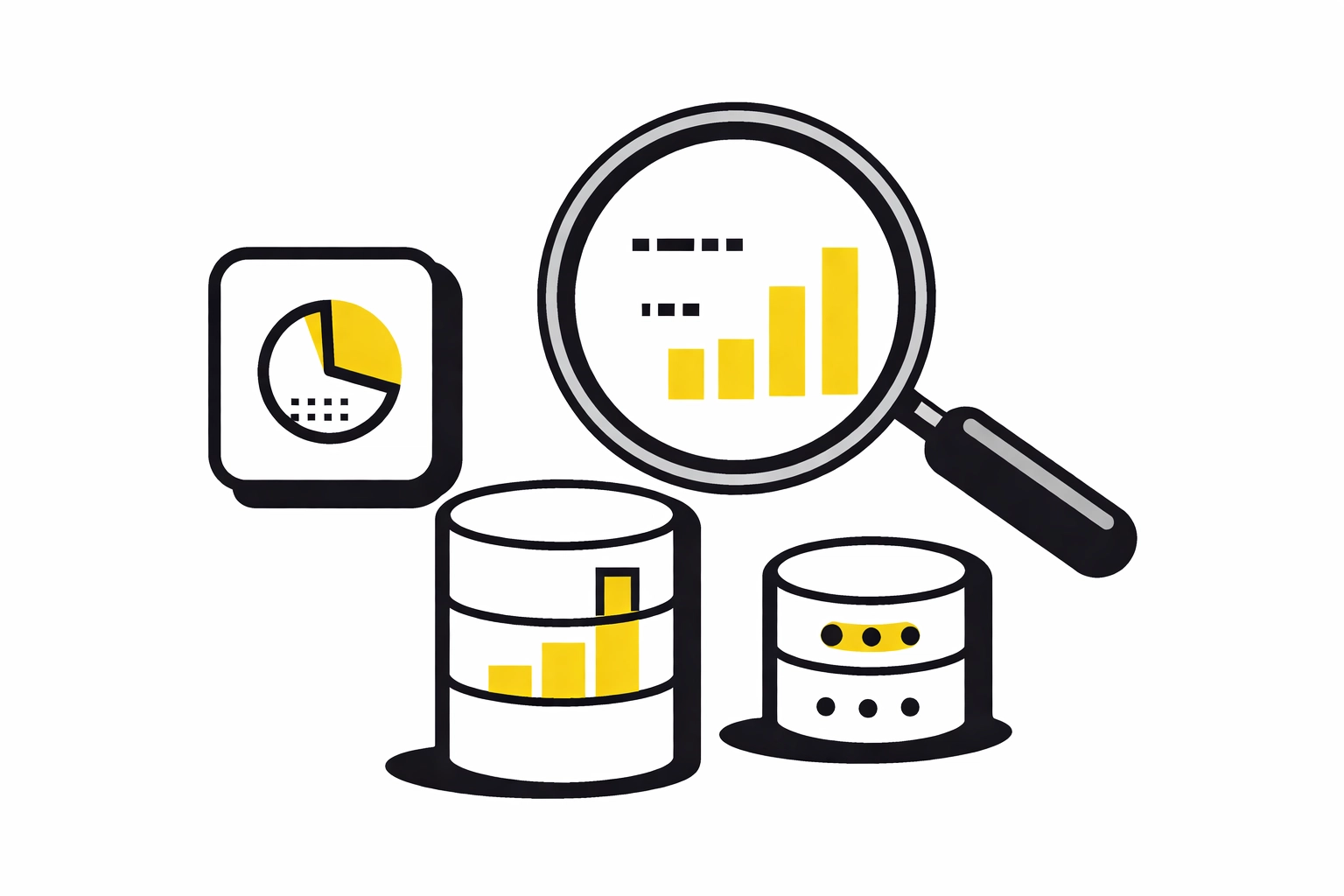
An HRIS creates a single source of truth. All employee data, from hire date to performance reviews to benefits elections, lives in one place. That means faster answers, better insights, and fewer "let me get back to you on that" moments.
If you're curious about the difference between fragmented HR tools and a unified system, our post on single database HRIS vs. multiple HR tools breaks it down.
The Hidden Cost of "Free" Spreadsheets
One of the biggest reasons SMBs stick with spreadsheets is the perceived cost savings. Excel is cheap. An HRIS has a monthly fee. The math seems simple.
But this calculation ignores the hidden costs:
Time costs. How many hours per week does your team spend on manual data entry, fixing errors, and hunting down information? Multiply that by their hourly rate. The number might surprise you.
Opportunity costs. What could your HR person (or you) be doing if they weren't buried in administrative tasks? Building culture, improving retention, developing talent, the strategic work that actually moves your business forward.
Risk costs. One compliance violation, one payroll lawsuit, one data breach from an unsecured spreadsheet can cost more than years of HRIS subscriptions.
Moving to an HRIS isn't a luxury expense. It's infrastructure. Just like you wouldn't run your accounting on sticky notes or your sales pipeline on napkin sketches, you shouldn't run your HR on tools that weren't designed for the job.
Making the Move: How JHHR Can Help
Recognizing that you need an HRIS is one thing. Actually, implementing one, choosing the right system, migrating your data, training your team, and configuring it for your specific needs, is another challenge entirely.
This is where a lot of SMBs get stuck. They know they need to make a change, but the project feels overwhelming. Or they rush into a solution that doesn't fit their needs and end up right back where they started.
At JHHR, we specialize in helping small and mid-sized businesses navigate HRIS selection and implementation. We'll help you:
Evaluate your current processes and identify your must-have features
Select the right platform for your size, industry, and growth trajectory
Migrate your data cleanly (goodbye, version control nightmares)
Configure the system to match your workflows
Train your team so adoption actually sticks
If you want to learn more about what goes into a successful implementation, check out our post on HRIS implementation secrets.
The Bottom Line
Spreadsheets served you well in the early days. But if your headcount is climbing, errors are piling up, and you can't get a clear picture of your workforce without hours of manual work: it's time for an upgrade.
An HRIS isn't just a nice tool for big companies with big budgets. It's essential infrastructure for any growing business that wants to stay compliant, operate efficiently, and actually use HR as a strategic function instead of a fire drill.
The question isn't whether you can afford to implement an HRIS. It's whether you can afford not to.
Comments