From 'Firefighter' to 'Strategist': How an HRIS Changes the SMB Owner's Daily Life
If you're a small or mid-sized business owner, you know the feeling. It's 4:30 PM on a Friday, and instead of wrapping up your week with strategic planning, you're scrambling to fix a payroll error before your team gets underpaid. Again.
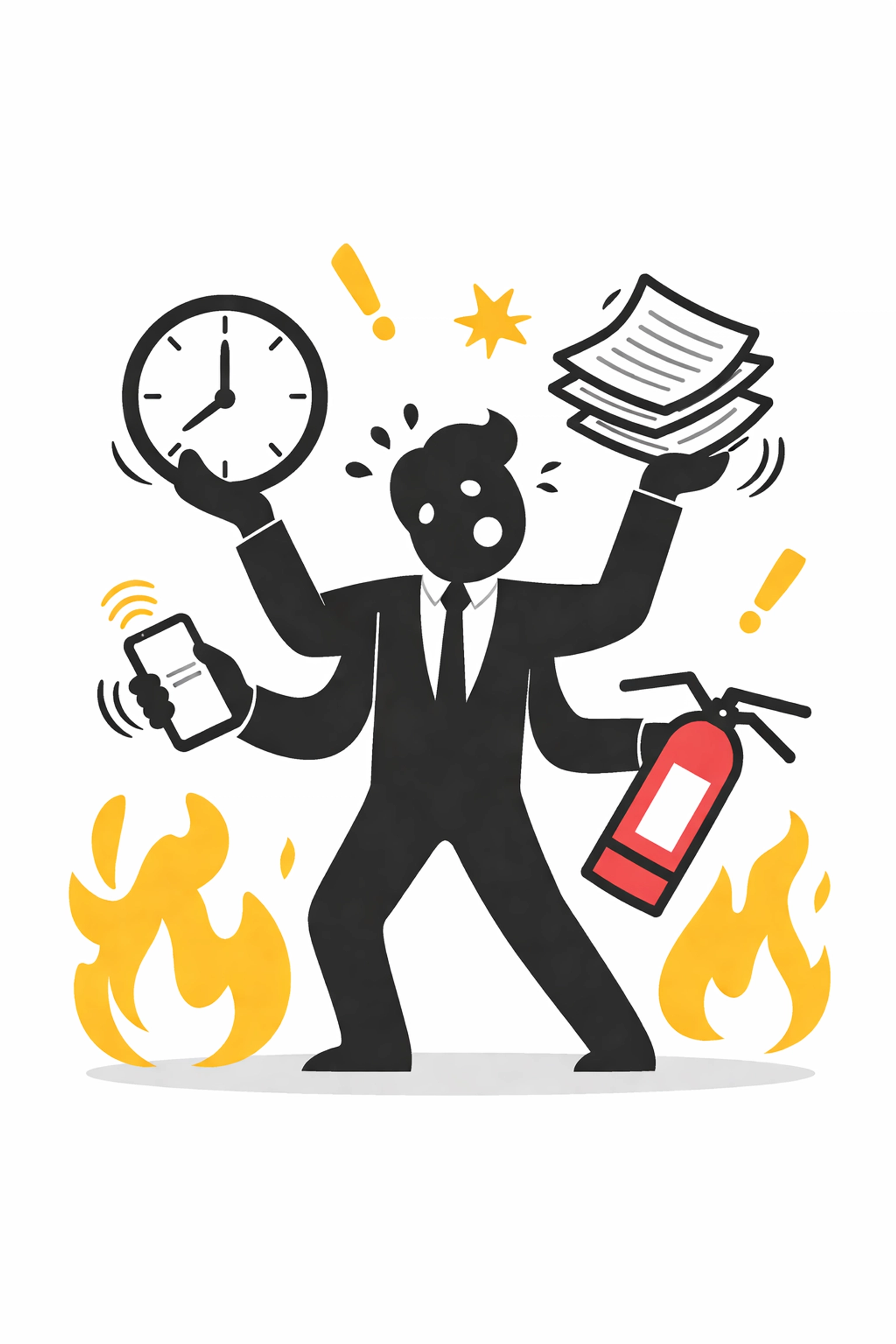
Welcome to "firefighter mode", the exhausting reality where your day is dominated by HR emergencies, compliance panic, and an endless stream of employee questions that could've been answered by a simple system.
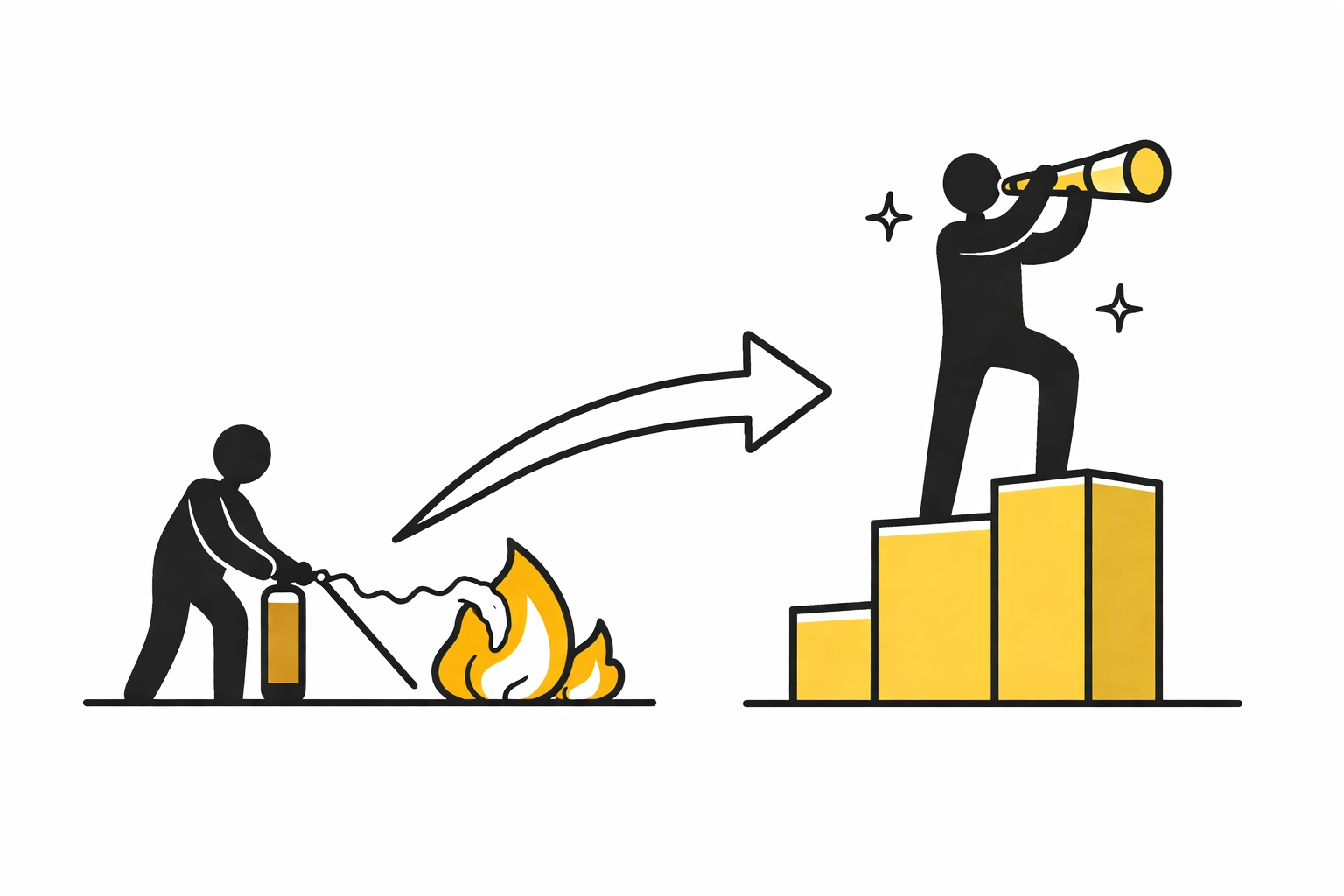
Here's the thing: you didn't start your business to become a full-time HR administrator. You started it to build something, grow something, and lead something. An HRIS (Human Resource Information System) can help you get back to that vision by shifting your daily life from reactive chaos to proactive strategy.
Let's break down exactly how that transformation happens.
The Firefighter Trap: What Reactive HR Really Looks Like
Before we talk solutions, let's be honest about the problem. Reactive HR means you're constantly in damage-control mode:
Payroll mistakes that require hours of back-and-forth to correct
Compliance deadlines that sneak up on you (hello, year-end reporting panic)
Manual data entry across multiple spreadsheets that don't talk to each other
Employee questions about PTO balances, benefits, and pay stubs interrupting your workflow
Onboarding chaos where new hires feel lost because there's no consistent process
Sound familiar? You're not alone. Most SMB owners spend a significant chunk of their week on administrative HR tasks, time that could be spent on growth initiatives, customer relationships, or developing your team.
The cost isn't just your time. It's the missed opportunities, the burnout, and the feeling that you're always one step behind.
The Strategic Shift: What Changes with an HRIS
An HRIS isn't just software. It's a fundamental shift in how you operate. When implemented correctly, it moves you from fixing yesterday's mistakes to planning for tomorrow's growth.
Here's what that shift looks like in practice:
1. Automation Takes Over the Repetitive Stuff
The tasks that eat up your mornings, payroll processing, tax filings, benefits administration, can run on autopilot. Modern HRIS platforms handle these with built-in compliance safeguards, which means fewer errors and fewer emergencies landing on your desk.
Instead of spending three hours every pay period double-checking calculations, you review a dashboard, approve, and move on. That's time back in your pocket.
If you're still managing HR tasks manually, you might want to check out our breakdown of cloud-based HRIS options that transform how remote teams operate.
2. Employee Self-Service Reduces Interruptions
How many times this week has someone asked you about their PTO balance? Or when open enrollment starts? Or how to update their direct deposit?
An HRIS with employee self-service portals puts that information at your team's fingertips. They log in, find what they need, and you never have to field that question. It sounds small, but those interruptions add up to hours of lost focus every week.
3. Real-Time Data Replaces Guesswork
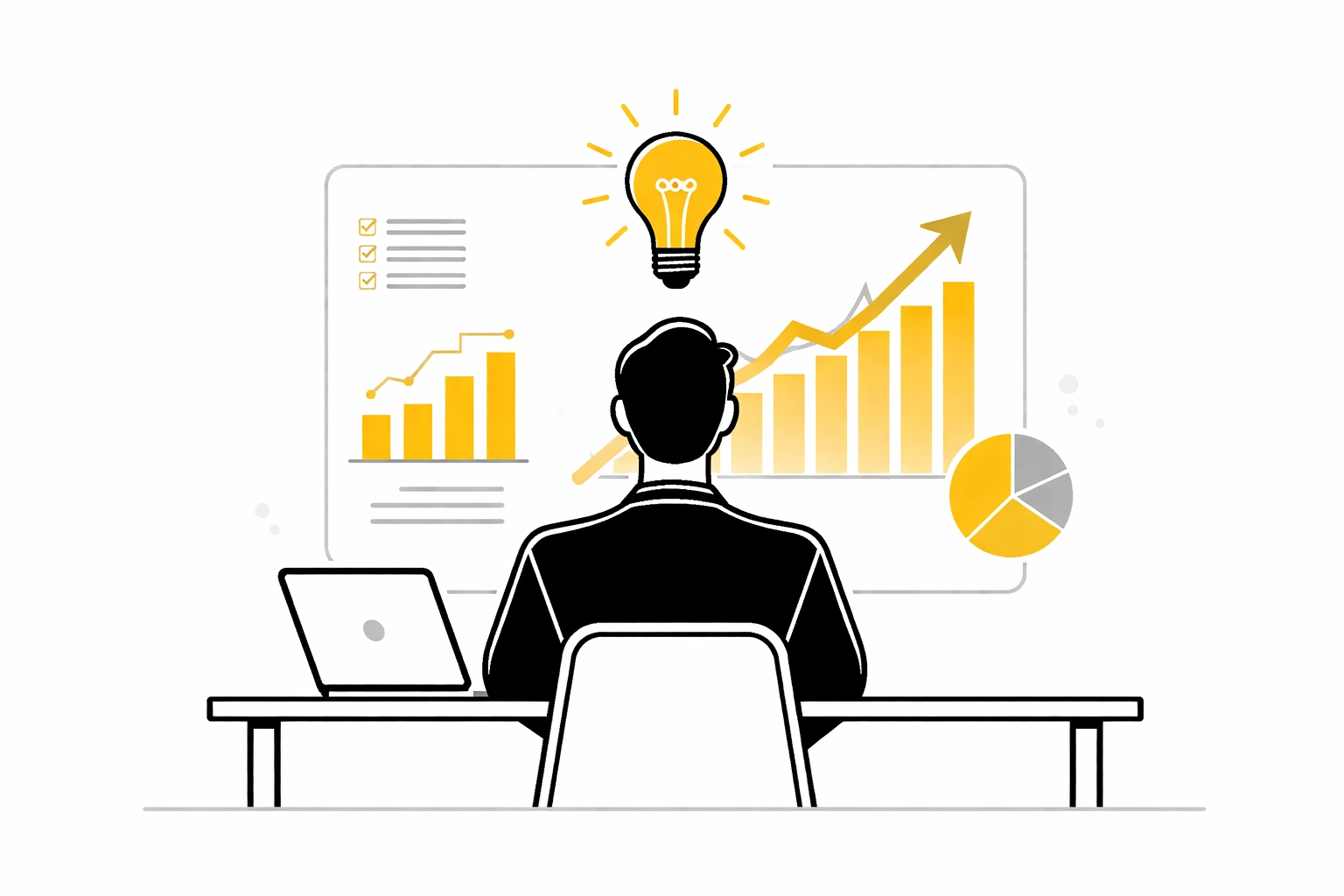
Here's where things get strategic. Instead of scrambling to pull together reports when you need them, an HRIS gives you real-time access to workforce analytics:
Who's overdue for a performance review?
What's your turnover rate by department?
Where are you spending the most on overtime?
Which benefits are employees actually using?
This isn't just data for data's sake. These insights help you spot problems before they become crises and identify opportunities you might have missed. For a deeper dive into how analytics can drive decisions, take a look at our post on workforce analytics secrets.
From Fixing Mistakes to Developing People
This is the real transformation, and the one that matters most for your business long-term.
When you're stuck in firefighter mode, your relationship with HR is purely transactional. You're processing paperwork, fixing errors, and staying (barely) compliant. There's no time left to think about:
Building a culture that attracts top talent
Creating development paths for your best employees
Improving retention through better engagement
Aligning your workforce with business goals
An HRIS doesn't just free up your time. It provides the foundation for proactive people strategy. You shift from asking "What went wrong?" to asking "How do we get better?"
What Proactive HR Actually Looks Like
Reactive HR | Proactive HR |
Fixing payroll errors after the fact | Automated payroll with compliance checks |
Scrambling to meet compliance deadlines | Built-in reminders and automated filings |
Losing good employees unexpectedly | Tracking engagement and addressing issues early |
Inconsistent onboarding experiences | Standardized, automated onboarding workflows |
Guessing at workforce trends | Data-driven insights for decision-making |
The table above isn't hypothetical. It's the difference between running your business and your business running you.
The Owner's Day: Before and After
Let's make this concrete. Here's what a typical day might look like before and after implementing an HRIS:
Before HRIS:
7:30 AM: Start the day catching up on HR emails and questions
9:00 AM: Spend an hour fixing a benefits enrollment error
11:00 AM: Hunt through spreadsheets for turnover data for a board meeting
1:00 PM: Field questions from employees about pay stubs
3:00 PM: Finally get to actual business strategy work (but you're exhausted)
After HRIS:
7:30 AM: Review automated HR dashboard: everything's green
8:00 AM: Dive into strategic planning for Q2 growth
10:00 AM: Use workforce analytics to prepare for board meeting in 15 minutes
11:00 AM: Meet with department heads about talent development
2:00 PM: Focus on customer relationships and business development
Same hours. Completely different outcomes.
Why Fractional HR Support Amplifies the Impact
Here's something we see all the time at JHHR: business owners implement an HRIS and immediately feel the relief. But they also realize they now have access to data and capabilities they're not fully using.
That's where Fractional HR support comes in.
Think of it this way: an HRIS is the engine, but you still need someone who knows how to drive. Fractional HR gives you access to experienced HR professionals who can:
Help you interpret workforce data and turn it into action
Build out the strategic HR programs you now have time for
Ensure your HRIS is configured to support your specific business goals
Handle complex compliance questions so you don't have to
You get the expertise of a full HR department without the full-time cost. Combined with the right HRIS, it's a powerful combination that lets SMB owners compete with much larger companies for talent and operational efficiency.
Not sure if your business is ready for an HRIS? We broke down the honest truth about when HR technology makes sense for growing companies.
Making the Transition: It's About Mindset, Not Just Software
We'd be doing you a disservice if we pretended this shift happens overnight. Moving from firefighter to strategist requires intentional change: not just in your tools, but in how you think about HR.
A few tips for making the transition stick:
For guidance on implementation, our post on HRIS implementation secrets covers what vendors don't always tell you.
Ready to Put Down the Fire Extinguisher?
You became a business owner to build something meaningful: not to spend your days buried in payroll spreadsheets and compliance checklists.
An HRIS, combined with the right strategic HR support, can give you back your time and your focus. It's the difference between surviving each week and actually growing your business.
At JHHR, we help SMB owners make this transition every day. If you're ready to move from firefighter to strategist, let's talk about what that looks like for your business.
Comments