Stop Wasting Time on Manual HR Tasks: 10 Cloud-Based HRIS Features That Will Transform Your Remote Team Management
Managing a remote team without the right HR technology is like trying to coordinate a symphony orchestra through smoke signals. You're juggling spreadsheets, chasing down time sheets, manually processing payroll, and spending countless hours on tasks that could be automated. Meanwhile, your competitors are leveraging cloud-based HRIS systems to streamline operations and focus on strategic growth.
If you're still drowning in manual HR processes, it's time for a change. Modern cloud-based Human Resource Information Systems (HRIS) offer powerful features that can transform how you manage remote teams, saving you hours each week while improving accuracy and employee satisfaction.
1. Centralized Employee Database: Your Single Source of Truth
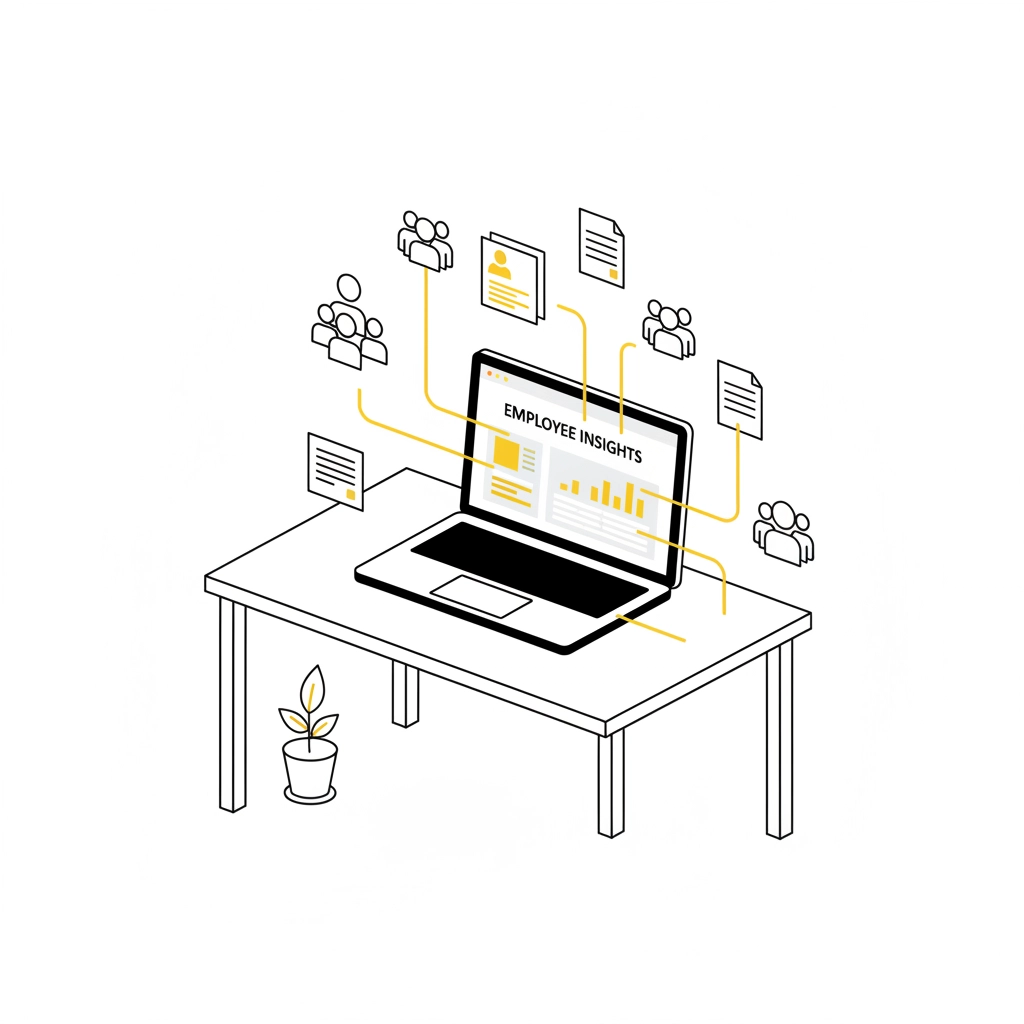
The foundation of effective remote team management is having all employee information in one accessible location. Cloud-based HRIS systems create a centralized employee database that eliminates the chaos of scattered spreadsheets and filing cabinets.
Instead of searching through multiple documents to find an employee's emergency contact information or employment history, everything is stored in a secure, searchable database. This centralization means your HR team can instantly access personnel files, track certifications, monitor training progress, and maintain accurate records: all from anywhere with an internet connection.
For remote teams, this feature is particularly valuable because it ensures consistency across time zones and locations. Whether your HR manager is working from home or your remote employee needs to update their address, everyone accesses the same real-time information.
2. Employee Self-Service Portals: Empower Your Team
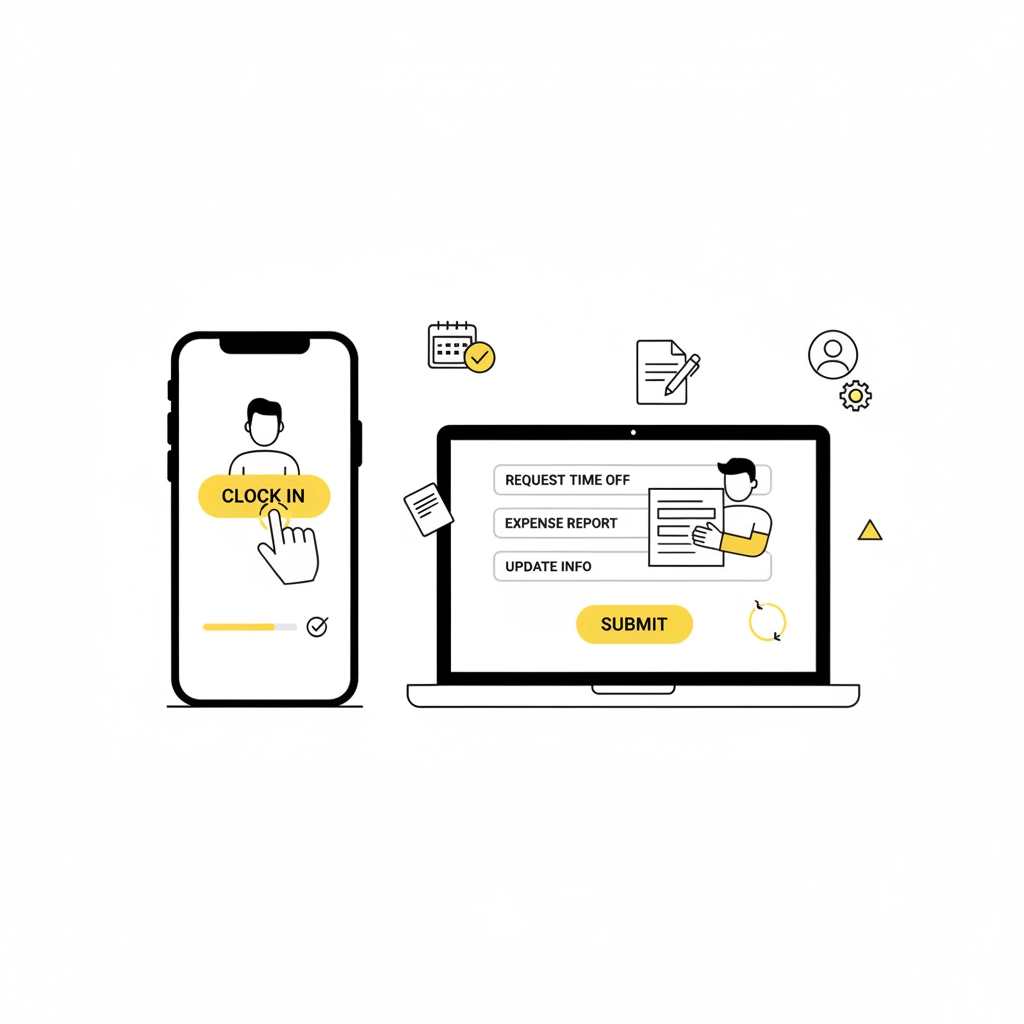
One of the biggest time-savers in modern HRIS systems is the employee self-service portal. This feature allows your remote workers to handle routine HR tasks independently, without requiring HR intervention.
Through these intuitive portals, employees can:
Submit and track time-off requests
Update personal information and emergency contacts
Access pay stubs and tax documents
Manage benefits enrollment
View company policies and handbooks
This self-service capability dramatically reduces the administrative burden on your HR team. Instead of fielding dozens of requests for pay stubs or processing leave requests manually, your employees handle these tasks themselves, freeing your HR professionals to focus on strategic initiatives that drive business growth.
3. Automated Time and Attendance Tracking
Manual time tracking is a nightmare for remote teams. Chasing down timesheets, calculating hours across different time zones, and ensuring accuracy can consume days of administrative time each month.
Cloud-based HRIS systems automate this entire process. Employees can clock in and out through mobile apps or web interfaces, with the system automatically calculating hours, overtime, and break times. GPS tracking and IP restrictions ensure accuracy for remote workers, while automated notifications remind employees to submit their time.
The system generates detailed reports showing attendance patterns, overtime trends, and potential issues: giving you workforce insights that would be impossible to gather manually. This automation not only saves time but also improves payroll accuracy and helps identify productivity patterns across your remote team.
4. Streamlined Payroll Processing
If you're still calculating payroll manually or using basic software that requires constant data entry, you're wasting valuable time and increasing the risk of costly errors. Advanced cloud-based HRIS systems integrate payroll processing with time tracking, benefits administration, and tax compliance.
This integration means payroll runs automatically based on approved hours, with all deductions, benefits, and tax calculations handled by the system. What once took hours of manual work now happens in minutes, with built-in error checking to ensure accuracy.
For remote teams spread across different states or countries, this feature becomes even more valuable. The system can handle varying tax requirements, different pay schedules, and complex benefit structures automatically, ensuring compliance without manual intervention.
5. Performance Management Tools
Managing performance across a remote team requires more than annual reviews and gut feelings. Cloud-based HRIS systems provide comprehensive performance management tools that make it easy to set goals, track progress, and conduct meaningful reviews.
These tools typically include:
Goal setting and tracking capabilities
Continuous feedback mechanisms
360-degree review processes
Performance analytics and reporting
Development planning tools
Instead of scrambling to compile performance data from various sources, managers have real-time access to employee achievements, feedback history, and development progress. This comprehensive view enables more effective coaching conversations and ensures no remote employee falls through the cracks.
6. Advanced Reporting and Analytics
Data-driven decision making is crucial for growing businesses, but generating meaningful HR reports manually is time-intensive and often inaccurate. Modern HRIS systems provide powerful analytics capabilities that transform raw data into actionable insights.
These systems can generate reports on:
Employee turnover patterns and costs
Recruitment effectiveness
Training completion rates
Compensation analysis
Workforce productivity trends
For remote teams, these analytics are particularly valuable for identifying engagement issues, tracking remote work effectiveness, and optimizing distributed team structures. Instead of spending hours compiling data from multiple sources, you get real-time insights that drive strategic decisions.
7. Automated Workflow Management
Every HR process involves multiple steps, approvals, and stakeholders. Managing these workflows manually for remote teams creates bottlenecks and inconsistencies that slow operations and frustrate employees.
Cloud-based HRIS systems offer customizable workflow automation that handles routine processes from start to finish. For example, when a remote employee submits a vacation request, the system can automatically route it to the appropriate manager, send reminders for pending approvals, update calendars upon approval, and adjust accrual balances.
These automated workflows ensure consistency, reduce processing time, and provide visibility into process status: eliminating the need for constant follow-ups and status checks.
8. Mobile Accessibility for Remote Teams
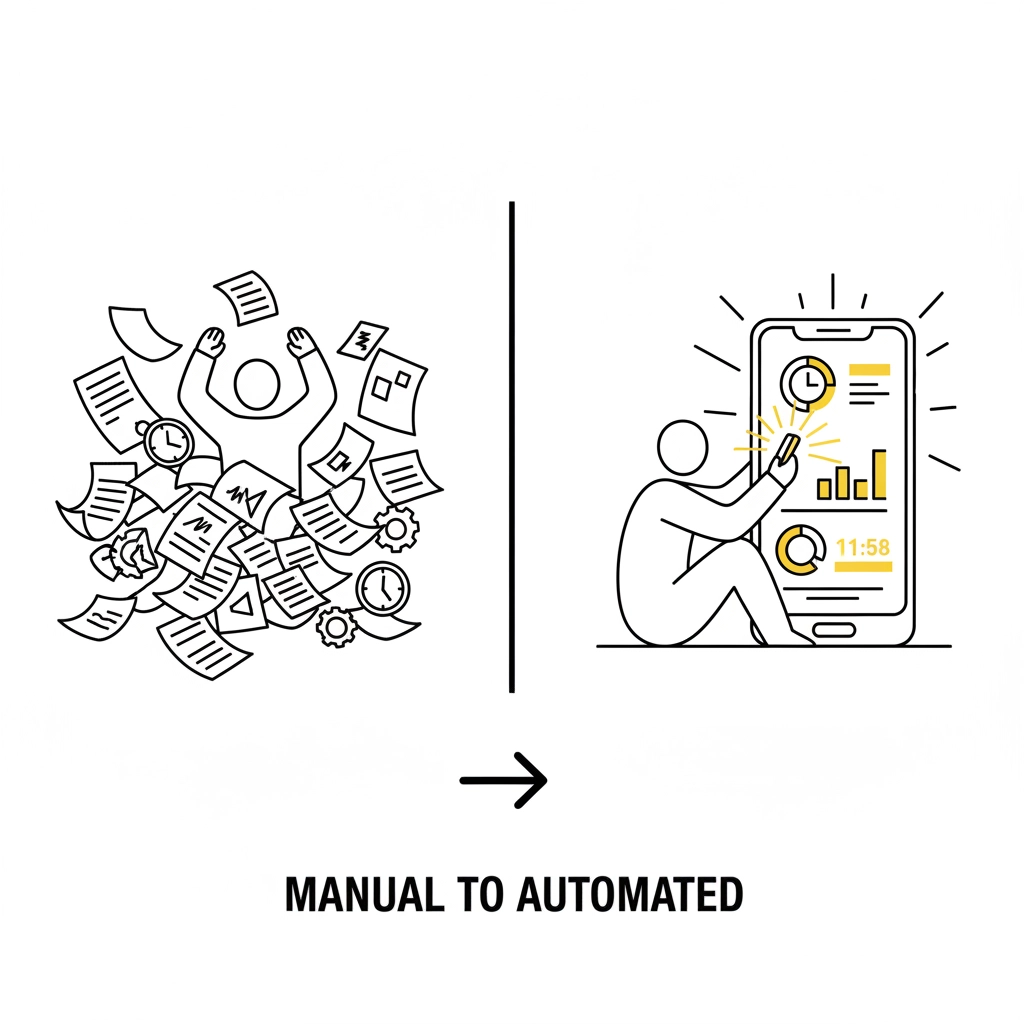
Your remote employees and managers need HR access beyond traditional office hours and desktop computers. Mobile-optimized HRIS platforms ensure that critical HR functions are available anytime, anywhere.
Through mobile apps, remote employees can:
Submit expense reports while traveling
Request time off during off-hours
Access company directories and contact information
Complete required training during flexible schedules
Receive important company communications
This mobility is essential for maintaining HR efficiency across distributed teams and different time zones. Managers can approve requests while commuting, and employees can handle HR tasks that fit their flexible schedules.
9. Integrated Learning Management
Professional development becomes more challenging with remote teams, but it's crucial for retention and growth. HRIS systems with integrated learning management capabilities make it easy to deliver, track, and manage training programs for distributed employees.
These systems can automatically assign required training based on role or compliance requirements, track completion rates, and generate certificates. For remote teams, this ensures consistent onboarding experiences and ongoing development opportunities regardless of location.
The integration between learning management and other HR functions means training records automatically update employee profiles, completion data feeds into performance reviews, and skill development is tracked alongside career progression.
10. Compliance Management and Document Storage
Staying compliant with employment laws across different jurisdictions while managing remote teams manually is nearly impossible. Cloud-based HRIS systems include compliance management features that automatically track regulatory requirements, maintain required documentation, and generate compliance reports.
These systems provide:
Automatic updates for changing employment laws
Document retention scheduling
Audit trails for all HR transactions
Electronic signature capabilities
Secure document storage with role-based access
For businesses with remote employees in multiple states or countries, this automated compliance management prevents costly violations and reduces the administrative burden of maintaining separate compliance tracking systems.
Transform Your Remote HR Operations Today
These ten cloud-based HRIS features work together to create a comprehensive system that eliminates manual processes, improves accuracy, and empowers your remote team. The time savings alone: often 10-15 hours per week for small HR teams: justify the investment, while improved employee satisfaction and reduced compliance risks provide additional value.
The transition from manual HR processes to automated systems isn't just about efficiency; it's about positioning your business for sustainable growth. As your remote team expands, these systems scale with you, maintaining effectiveness without proportional increases in administrative overhead.
Ready to stop wasting time on manual HR tasks? Consider how these cloud-based features could transform your remote team management. The question isn't whether you can afford to implement an HRIS system: it's whether you can afford not to. Your competitors are already gaining the advantage while you're still managing spreadsheets and chasing down paperwork.
Comments