The 2026 HRIS Landscape: What Changed, What Broke, and What Finally Works
- Jan 8
- 4 min read
Let's be honest, the HRIS world has been a rollercoaster these past few years. If you're running an SMB and feel like you've been whipsawed between "revolutionary" platforms that barely worked and promises that fell flat, you're not alone.
But here's the thing: 2026 has brought some real clarity to what actually works in HR tech. After years of hype cycles and vendor promises, we finally know what delivers results and what just burns cash.
What Changed: The Big Shifts That Actually Matter
AI Finally Grew Up
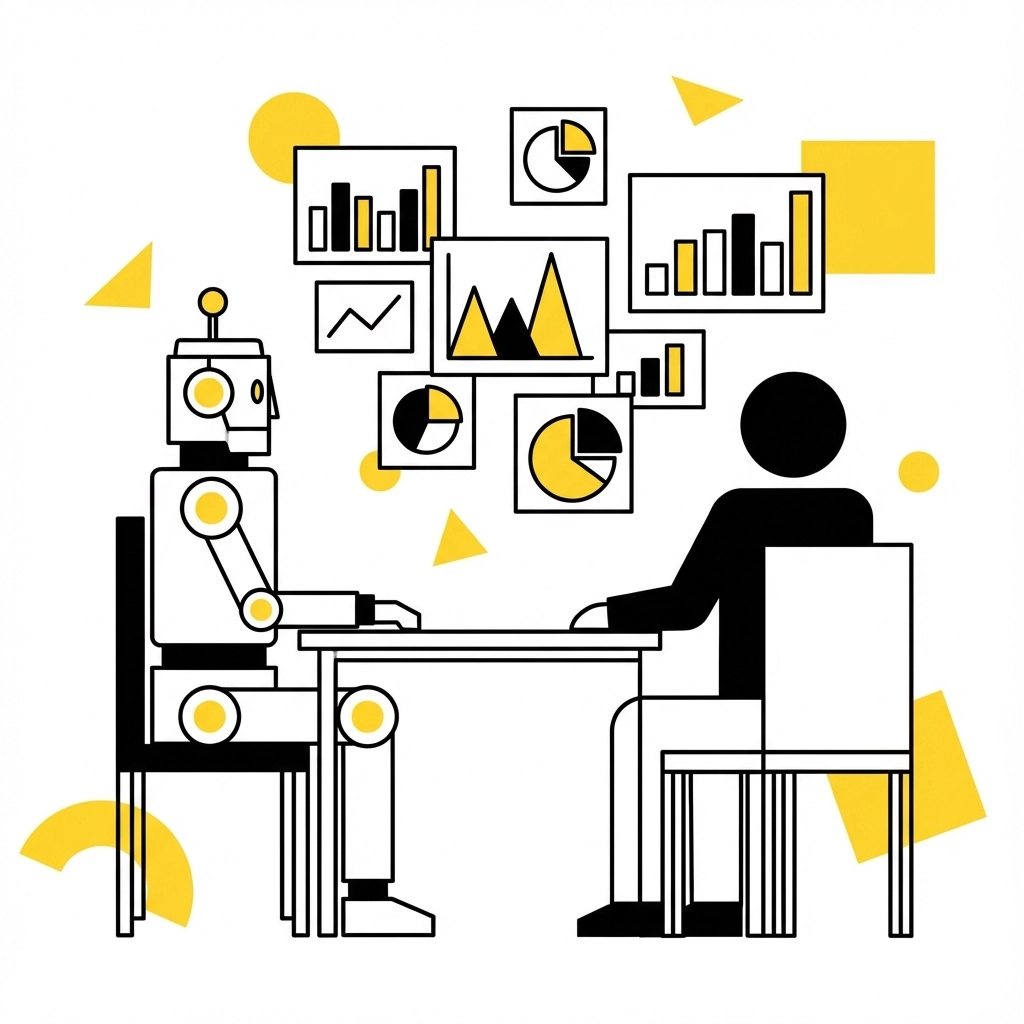
Remember when every HRIS vendor slapped "AI-powered" on their marketing materials? Well, the difference is that AI actually works now. We're not talking about chatbots that can't understand basic questions: we're seeing legitimate automation that handles complex tasks.
The shift happened when platforms moved from experimentation to operation. Instead of pilots that never scaled, AI is now handling real work: screening resumes with actual accuracy, predicting which employees might leave (and why), and automating compliance tasks that used to eat up hours of admin time.
Skills Beat Job Descriptions
This one's huge for smaller companies. The traditional job description: you know that rigid list of requirements that scared away half your candidates: is basically dead. Smart companies are now hiring and promoting based on skills rather than arbitrary degree requirements or years of experience.
What this means for you: you can finally tap into talent pools you couldn't reach before. Need someone who can handle social media marketing? Look for skills, not a marketing degree. This approach is opening doors for companies that couldn't compete with big corporate salary packages.
HR and IT Stopped Fighting
Here's something that surprised everyone: HR and IT departments are actually working together now. The prediction is full integration within five years, but honestly, it's happening faster than expected.
For SMBs, this is massive. Instead of HR buying software that IT can't support, or IT choosing systems that HR hates, you're getting integrated solutions that actually work for everyone.
The Data Revolution
HR leaders aren't just administrators anymore: they're strategic partners with real data to back up their recommendations. Instead of guessing why turnover is high or benefits aren't working, you can now see what's actually happening and make informed decisions.
What Broke: The Failures We Can Learn From
The Multiple Platform Nightmare
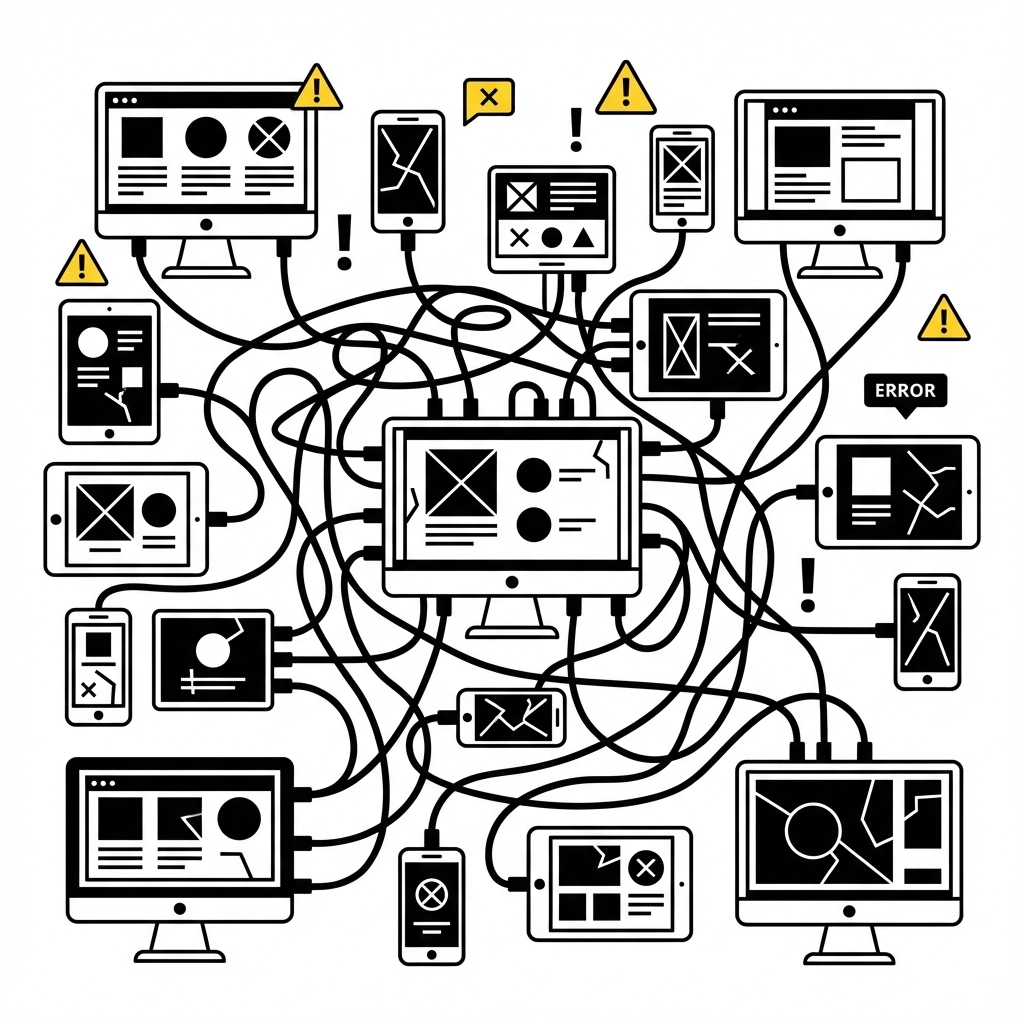
Here's what didn't work: trying to piece together 6+ different HR platforms. Companies were averaging over six different HCM providers, creating data silos that made simple reporting impossible.
The problems were predictable:
Data trapped in different systems
Employees logging into multiple platforms for basic tasks
Reports that never matched up
Security nightmares with too many access points
Integration costs that ate budgets alive
The "Set It and Forget It" Mentality
Lots of companies thought they could buy an HRIS, set it up once, and never touch it again. Spoiler alert: that didn't work. Systems that weren't maintained, updated, or properly configured became digital paperweights that frustrated everyone.
Manual Processes That Wouldn't Die
Even with expensive software, many companies kept doing things manually "because that's how we've always done it." Time tracking on spreadsheets, benefit enrollments on paper, performance reviews in Word documents: all while paying for software that could automate these tasks.
The Compliance Panic
Remember the scramble when new employment laws hit? Companies with fragmented systems or manual processes got caught flat-footed, leading to compliance violations that cost way more than proper software would have.
What Finally Works: The Solutions That Deliver
Single-Database Platforms
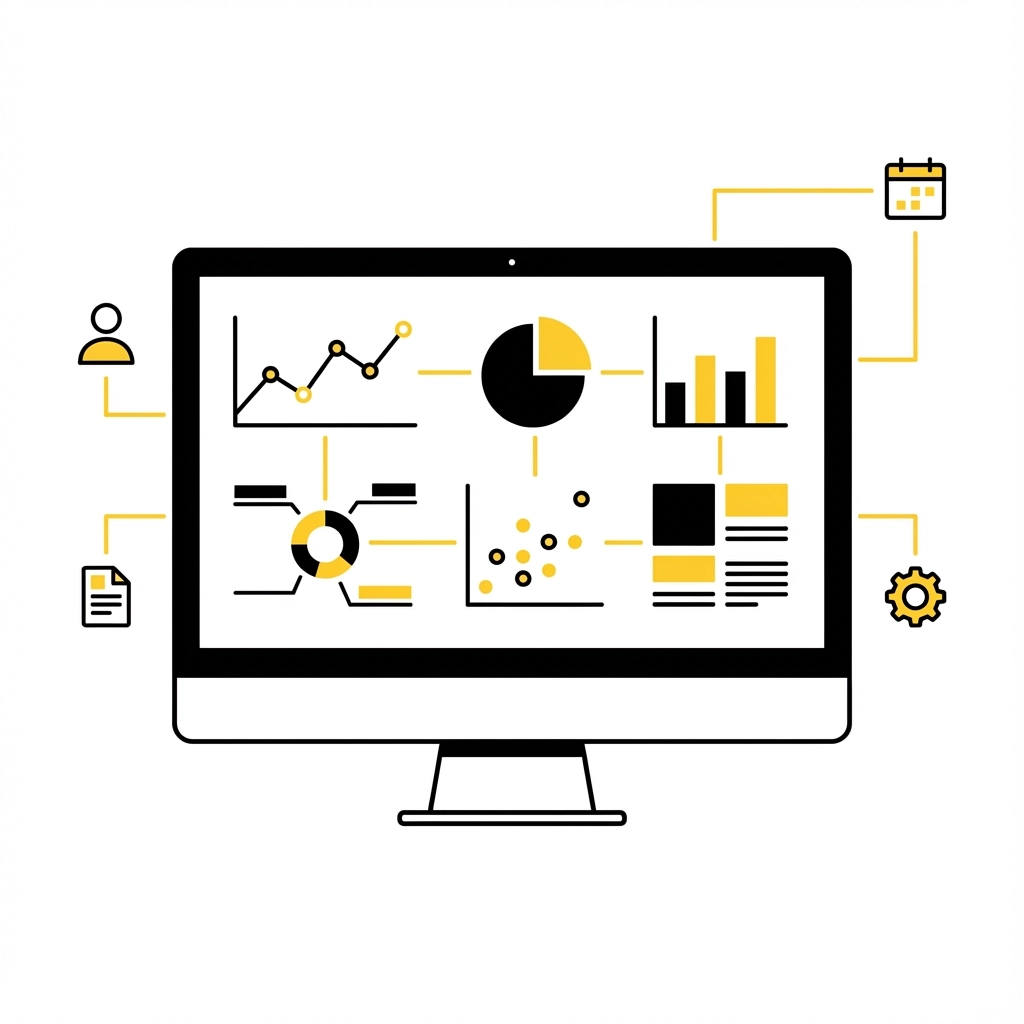
The biggest win has been the move to unified platforms. Instead of juggling multiple vendors, 91% of companies are now interested in single automated HCM solutions. And for good reason: when everything lives in one place, magic happens:
Real-time reporting across all HR functions
Single sign-on for employees
Integrated workflows that actually work
Data consistency across the board
Predictable costs and support
Responsible AI Implementation
Here's what works: AI with guardrails. The companies succeeding aren't just throwing algorithms at everything: they're implementing AI with clear governance frameworks. This means:
Transparent decision-making processes
Regular audits for fairness and accuracy
Human oversight on critical decisions
Clear policies on AI use and limitations
For SMBs, this means you can trust AI-powered features to handle routine tasks while maintaining control over important decisions.
Predictive Analytics That Actually Predict
The analytics game has completely changed. Instead of historical reports that tell you what happened last quarter, you're getting insights that help you plan ahead:
Which employees are likely to leave (and what might keep them)
Skills gaps before they become problems
Hiring patterns that predict success
Benefits utilization that informs renewals
Cross-Functional Team Structures
The old model of HR silos: separate teams for recruiting, training, benefits is giving way to agile, cross-functional teams. This works especially well for smaller companies that need flexibility more than rigid structure.
Instead of "that's not my department," you get teams that can handle whatever comes up, supported by platforms that connect all HR functions.
Skills Infrastructure and Internal Mobility
Companies that invested in learning platforms and skills assessment tools are seeing real ROI. They can:
Identify skills gaps before they become critical
Promote from within based on capability, not just tenure
Retrain existing employees instead of expensive external hires
Build skills inventories that inform strategic planning
Smart Spending on HR Tech
Here's the kicker: 55% of companies are increasing their HR technology spending, and the AI HR market is expected to triple by 2030. But the companies seeing returns aren't just spending more: they're spending smarter.
They're investing in platforms that grow with them, provide measurable ROI, and integrate with their existing business processes.
The Bottom Line for Your Business
If you're still wrestling with fragmented HR systems, manual processes, or software that promises more than it delivers, 2026 is your year to get it right. The tools finally exist to give smaller companies the same capabilities that big corporations have had for years.
The key is choosing solutions that fit your actual needs, not the ones that look impressive in demos. Focus on platforms that can grow with you, integrate with your existing processes, and provide real automation rather than just digital paperwork.
The HRIS landscape has finally matured to the point where SMBs can compete on equal footing with larger companies: but only if you choose the right tools and implement them properly.
Need help navigating the options? Contact us to discuss which HRIS solutions make sense for your specific situation. We've helped dozens of companies make the transition from broken systems to platforms that actually work.
Comments