2026 HRIS Implementations: Why Clean Data Is Now a Legal Requirement, Not a Best Practice
Remember when clean data was just something HR consultants nagged you about? Those days are over. As of January 1, 2026, messy HRIS data isn't just an embarrassment: it's a legal liability that could cost your business serious money.
If you're still treating data hygiene as a "nice to have" instead of a compliance requirement, you're about to get a wake-up call. New California regulations, federal data transfer rules, and strict breach notification deadlines have fundamentally changed the game for small and midsize businesses.
The Legal Shift That Changed Everything
California's CCPA Expansion Demands Data Precision
Starting this year, California employers must conduct privacy risk assessments before processing HR data that could "present significant risk to privacy." This isn't optional: it's law. These assessments require you to identify and document every type of sensitive personal information you're processing, including race, ethnicity, sexual orientation, and health data.
Here's the kicker: You can't complete these assessments without clean, properly classified data. If your HRIS is a mess of duplicate records, outdated employee information, and inconsistent data entry, you literally cannot comply with the law.
The CCPA also requires employers to purge HR data when it's no longer needed. You must develop "a system for purging risk assessments when the five-year retention period expires." Without accurate retention schedules and clean data infrastructure, you can't reliably execute these purging requirements: making you non-compliant by default.
Federal Data Transfer Restrictions Get Serious
The Department of Justice's Bulk Data Transfer Rule, which took effect in April 2025, restricts offshore access to sensitive payroll and HR data. Organizations must now "map payroll/HR data flows and vendors" and "tag sensitive fields and cross-border access paths."
This data mapping is impossible with dirty data. If you don't know exactly what information you have, where it's stored, and who has access to it, you can't comply with federal transfer restrictions. Period.
Breach Notification Deadlines Leave No Room for Error
California's SB 446 law now requires companies to notify individuals of data breaches within 30 days of discovery. When a breach happens, you need to quickly identify which data was compromised and notify the correct people.
If your employee records are scattered across multiple systems, contain outdated contact information, or include duplicate entries, you'll struggle to meet this deadline. Late or incorrect notifications could put you in violation of state law.
What Bad Data Actually Costs You Now
Legal Penalties Are Real
Non-compliance with CCPA requirements can result in fines up to $7,500 per violation. For a company with 100 employees, even a minor data classification error could cost tens of thousands in penalties.
Audit Nightmares
By April 2028, employers must report detailed compliance metrics to California's Privacy Protection Agency, including "the total number of risk assessments conducted" and breakdowns by assessment type. If your data is messy, preparing these reports becomes a costly, time-consuming nightmare.
Operational Paralysis
When you can't trust your data, you can't make confident business decisions. Bad data means unreliable compliance reports, inaccurate workforce analytics, and constant second-guessing of your HR metrics.
How Major HRIS Platforms Are Responding
Paylocity's Compliance Features
Paylocity has added enhanced data classification tools and automated retention policies to help clients meet CCPA requirements. Their new privacy dashboard lets you track data processing activities and generate compliance reports: but it only works if your underlying data is clean.
UKG's Data Management Upgrades
UKG has rolled out improved data validation rules and duplicate detection features. Their compliance module can flag potential privacy risks, but you still need clean source data for accurate results.
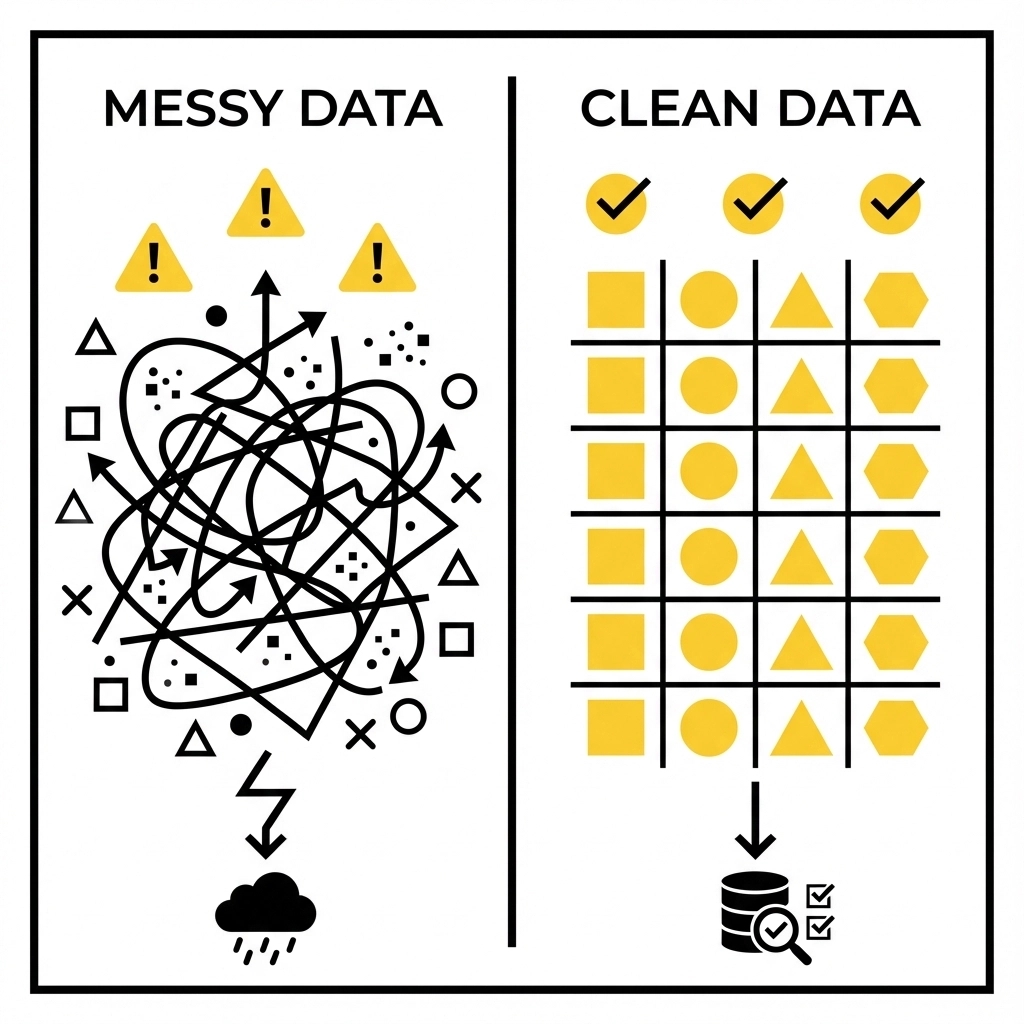
The reality is that even the best HRIS platforms can't fix fundamentally messy data: they can only help you manage clean data more effectively.
Your Data Cleanup Roadmap
Step 1: Conduct a Data Audit
Start by cataloging what employee data you actually have. Review every field in your HRIS and identify:
Duplicate employee records
Outdated contact information
Inconsistent data entry formats
Missing required fields
Unnecessary data you're still storing
Step 2: Classify Your Data by Sensitivity
The CCPA requires you to identify sensitive personal information including race, ethnicity, sexual orientation, and health data. Create clear categories for:
Basic employee information (name, job title, start date)
Sensitive demographic data
Health and benefits information
Performance and disciplinary records
Step 3: Standardize Data Entry
Implement consistent formats for:
Phone numbers (xxx) xxx-xxxx
Addresses (include standard abbreviations)
Job titles (create a master list)
Department names
Employee status categories
Step 4: Set Up Automated Retention Policies
Configure your HRIS to automatically flag records for review based on retention schedules. Former employee records should be systematically reviewed and purged according to legal requirements.
Step 5: Create Data Flow Maps
Document where your HR data goes, including:
Third-party vendors with access
Cloud storage locations
Backup systems
Integration points with other software
Making It Practical for Small Businesses
Start with High-Risk Data
If a complete overhaul feels overwhelming, prioritize cleaning data that carries the highest compliance risk:
Health information and accommodation records
Demographic data used for EEO reporting
Disciplinary and performance records
Compensation and benefits data
Use Your HRIS's Built-In Tools
Most modern HRIS platforms include data validation and cleanup features. Paylocity's data quality tools can identify duplicate records, while UKG's validation rules prevent inconsistent data entry going forward.
Set Up Regular Maintenance
Clean data isn't a one-time project: it requires ongoing maintenance. Schedule monthly data quality reviews and quarterly retention policy audits.
What This Means for Your Next HRIS Implementation
If you're planning an HRIS implementation or migration in 2026, data cleanliness isn't just part of the project: it's the foundation that determines whether you can actually comply with the law.
Budget extra time and resources for data cleanup before any system migration. A messy data migration creates a compliant system filled with non-compliant data: which defeats the entire purpose.
Work with vendors who understand the new compliance landscape. Ask potential HRIS providers how their platforms support CCPA risk assessments, data retention policies, and breach response requirements.
The Bottom Line
Clean HRIS data has moved from best practice to legal necessity. The companies that adapt quickly will have a competitive advantage: they'll avoid penalties, reduce audit stress, and make better business decisions with reliable data.
The companies that don't adapt, they're gambling with their business on every payroll run, every compliance report, and every employee record they touch.
The choice is yours, but the deadline isn't negotiable. The law is already in effect, and your competitors are already adapting.
If you need help navigating these new compliance requirements or planning a data cleanup project, JHHR's HR consulting team specializes in helping small and midsize businesses implement compliant HRIS solutions without the headache.
The era of "good enough" data management is over. It's time to get serious about data hygiene (because the law certainly has.)
Comments