Stop Wasting Money on HRIS: 5 Implementation Secrets Experts Don't Want You to Know
Here's a sobering statistic: over 65% of HRIS implementations fail, according to recent McKinsey and Gartner studies. Even worse? The average failed implementation costs companies between $150,000 and $2.5 million in wasted resources, lost productivity, and emergency fixes.
But here's what most HR consultants won't tell you upfront: these failures aren't random. They follow predictable patterns that savvy business owners can avoid with the right insider knowledge. After working with dozens of companies through their HRIS journeys, I've identified five critical secrets that can save you significant money and headaches.
Secret 1: The Selection Trap That Destroys Budgets Before You Even Start
The most expensive HRIS mistakes happen before you even sign a contract. Most companies make selection decisions based on flawed reasoning that seems logical but leads to costly disasters.
The Hidden Selection Killers:
Choosing systems based on someone's previous company experience without evaluating current needs
Letting your accounting team select HR systems based solely on their financial requirements
Making decisions based on vendor discounts or broker partnerships rather than functionality
Selecting the "highest rated" system without considering organizational fit
Building in-house solutions to avoid licensing costs (this almost always backfires)

The Money-Saving Approach: Start with measurable objectives before you look at a single vendor demo. Define exactly what you want to achieve: improved recruitment efficiency, streamlined payroll processing, better employee self-service: and ensure these goals can be quantified.
This prevents influential stakeholders from hijacking the process with subjective preferences that don't align with business needs. One client saved $80,000 annually by sticking to their objective criteria instead of letting their CFO choose based on integration with their existing accounting software.
Secret 2: The Needs Assessment That Most Companies Skip (And Pay for Later)
Most organizations rush into implementation without thoroughly understanding their requirements, leading to expensive customizations and system overhauls down the road. A comprehensive needs assessment is your insurance policy against costly surprises.
Critical Assessment Components You Can't Skip:
Process Mapping: Document every HR workflow, from onboarding to offboarding
Technology Audit: Evaluate existing systems to determine what needs replacement or integration
User Interviews: Talk to employees at all levels about their daily HR pain points
Data Analysis: Review current HR data quality and identify migration challenges
Compliance Review: Assess current compliance processes for automation opportunities
This upfront investment typically costs 10-15% of your implementation budget but prevents the reactive changes that can double or triple project costs. One manufacturing client discovered during their assessment that their complex shift differentials required specific payroll configurations: catching this early saved them $45,000 in post-implementation customizations.
Secret 3: Master the Five Implementation Phases (Most Companies Botch Phase 2)
Successful HRIS implementation follows a systematic approach that minimizes costly errors and rework. Understanding these phases helps you allocate resources effectively and avoid the pitfalls that plague poorly planned projects.

Phase 1: Process Analysis and Documentation Evaluate current HR operations considering different employee classifications, pay frequencies, benefits deductions, and time-off policies. This prevents expensive customizations when you discover overlooked requirements during testing.
Phase 2: Strategic Data Management (The Most Critical Phase) This is where most implementations go wrong. Legacy data gathering is crucial but consistently underestimated. You must verify data accuracy, have employees update personal information, and map data transfer processes meticulously.
Poor data quality leads to expensive cleanup efforts post-implementation. I've seen companies spend $30,000+ on data remediation because they rushed through this phase.
Phase 3: Third-Party Coordination Engage with benefit providers, government agencies, and financial institutions early. Integration delays can extend project timelines by months and blow through contingency budgets.
Phase 4: Stakeholder Alignment Secure buy-in from leadership and end-users before go-live. Resistance to change is expensive when it surfaces during launch week. Plan comprehensive training schedules and communication protocols.
Phase 5: Infrastructure Preparation Assess whether current infrastructure can support the new HRIS. Plan necessary upgrades in advance rather than discovering limitations during implementation.
Secret 4: Why "All-in-One" Can Become "All-in-Trouble" (And Cost You More)
Comprehensive HRIS solutions seem cost-effective on paper, but they often create expensive compromises that organizations don't anticipate during selection.
Hidden Costs of All-in-One Systems:
Lack of personalization for unique company processes, requiring expensive customizations
Forcing business processes to conform to rigid system parameters instead of optimizing workflows
Higher upfront costs that may not justify ROI for smaller organizations
Time-consuming integration processes that extend implementation timelines
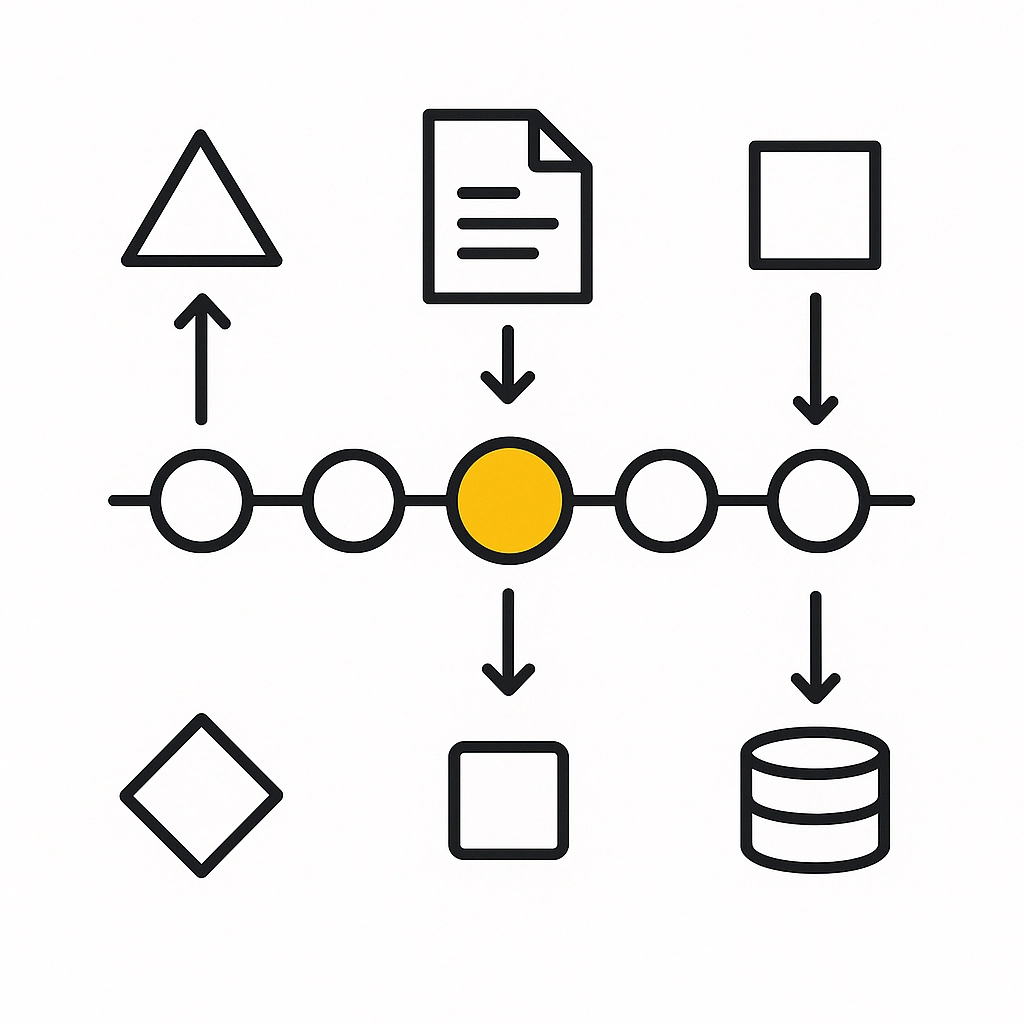
The Cost-Effective Alternative: Consider whether a best-of-breed approach might better serve your specific needs. Sometimes paying for two specialized systems costs less than forcing one system to handle everything poorly.
One retail client saved $25,000 annually by using separate payroll and performance management systems instead of an all-in-one solution that required extensive customization for their seasonal workforce management.
Secret 5: The Post-Launch Optimization That Pays for Itself
The most overlooked money-saving opportunity occurs after implementation. Organizations that treat HRIS deployment as a one-time project rather than an ongoing optimization process miss significant value.
Ongoing Optimization Practices:
Continuous Configuration: Regularly align system settings with evolving organizational workflows and reporting requirements
Data Maintenance: Implement scheduled data audits and clean-ups to maintain accuracy and prevent costly errors
Performance Monitoring: Track system performance metrics and user satisfaction to identify improvement opportunities
Security Maintenance: Implement robust security measures and regular audits to prevent expensive data breaches
Strategic Updates: Stay current with system updates to access new features and maintain compliance
Training Investment: Provide comprehensive initial training and ongoing support to maximize system utilization. Poor user adoption is one of the most expensive implementation failures: organizations don't realize ROI on their technology investment when employees can't or won't use the system effectively.

Companies that implement regular optimization reviews typically see 15-20% improvements in system efficiency within the first year, often translating to thousands in additional savings.
The Real Secret: Implementation Success Isn't About Finding the Cheapest Option
HRIS implementation success isn't about finding the lowest-cost system or the fastest deployment timeline. It's about making strategic decisions that align technology with business objectives while avoiding the common pitfalls that turn reasonable investments into expensive mistakes.
Organizations that follow these five strategies consistently achieve better outcomes while spending significantly less on fixes, customizations, and system replacements. The key is treating HRIS implementation as a strategic business initiative rather than just a technology upgrade.
Proper planning, stakeholder alignment, and ongoing optimization drive long-term value rather than short-term cost savings. When you avoid these common traps, your HRIS becomes a competitive advantage instead of a budget-draining headache.
Ready to implement an HRIS system the right way? Contact our team to discuss how strategic HR consulting can save you time, money, and frustration during your next technology implementation.
Comments