The Future is Connected: Why Your SMB Needs an API-First HR Ecosystem
Let's be honest: your HR tech stack probably feels like a bunch of disconnected islands right now. Your payroll system doesn't talk to your HRIS. Your time tracking tool lives in its own universe. And every month, someone on your team is manually copying data from one spreadsheet to another, praying they don't fat-finger a number.
Sound familiar?
Here's the thing: you're not alone, and it's not your fault. For years, SMBs have been stuck choosing between expensive, bloated all-in-one platforms that do everything poorly, or cobbling together a Frankenstein's monster of point solutions that don't play nice together.
But there's a better way. It's called an API-first HR ecosystem, and it's changing the game for small and mid-sized businesses that want enterprise-level capabilities without the enterprise-level headaches (or price tag).
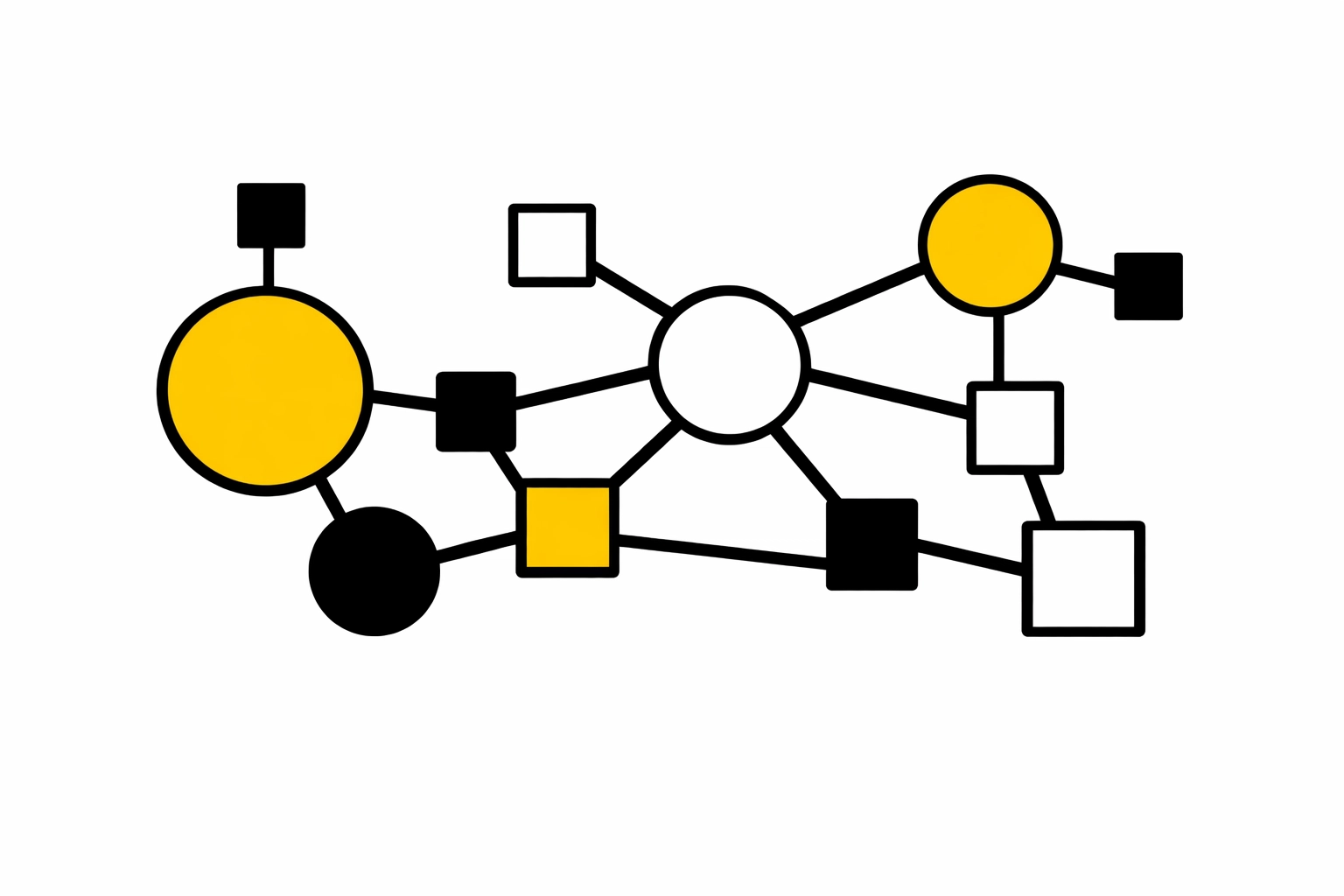
What the Heck Is an API-First HR Ecosystem?
Let's start with the basics. An API (Application Programming Interface) is basically a translator that allows different software systems to talk to each other and share data automatically. Think of it like a universal adapter for your tech stack.
An API-first HR ecosystem means your HR technology is built from the ground up to connect seamlessly with other tools. Instead of forcing you into a single mega-platform that tries to do everything (and usually does nothing particularly well), it lets you pick the best tool for each job and then connects them all through standardized APIs.
Want the best payroll software on the market? Go for it. Love a specific applicant tracking system? Add it to the mix. Need specialized benefits administration? No problem. With an API-first approach, they all work together like they were made for each other.
The magic happens behind the scenes: data flows automatically between systems, updates happen in real time, and you get to focus on running your business instead of playing IT detective.
Why This Is a Game-Changer for SMBs
You Can Finally Build a Best-of-Breed Tech Stack
Remember when I mentioned those expensive all-in-one platforms? Here's their dirty little secret: they're mediocre at almost everything. Sure, they check all the boxes on paper, but when it comes to actually using them day-to-day, you end up compromising on functionality, user experience, and innovation.
With an API-first ecosystem, you get to be picky. You can choose the absolute best payroll provider, the most intuitive time tracking tool, and the slickest applicant tracking system: and make them all work together seamlessly. It's like building your dream team instead of settling for whatever players happen to be available.

Time and Money Savings That Actually Matter
Let's talk numbers. Traditional point-to-point integrations can take 8 weeks or more to deploy and cost a fortune in technical resources. With a unified API layer, companies are cutting that down to 48 hours and saving upwards of $150,000 annually on implementation and maintenance costs.
For an SMB, those savings aren't just nice to have: they're game-changing. That's budget you can redirect toward hiring, marketing, or actually growing your business instead of burning it on HR tech maintenance.
One Source of Truth (Finally)
Here's a scenario that probably sounds painfully familiar: An employee gets a raise. Someone updates payroll. But the change doesn't make it to the HRIS for a week. Meanwhile, benefits are still calculating based on the old salary. Your finance team is pulling reports with mismatched numbers. Chaos ensues.
API-first ecosystems eliminate this nightmare by maintaining a single source of truth across all your systems. When data changes in one place, it updates everywhere automatically and instantly. No more duplicate entries, no more data drift, no more "which system has the right information?" panic attacks.
This real-time sync means your leadership team can actually trust the reports they're seeing when making critical decisions about headcount planning, compensation budgets, and cash flow forecasting.
The Operational Benefits That Make Your Life Easier
Automation Without the Custom Coding
Remember those manual data entry tasks I mentioned at the beginning? An API-first ecosystem crushes them.
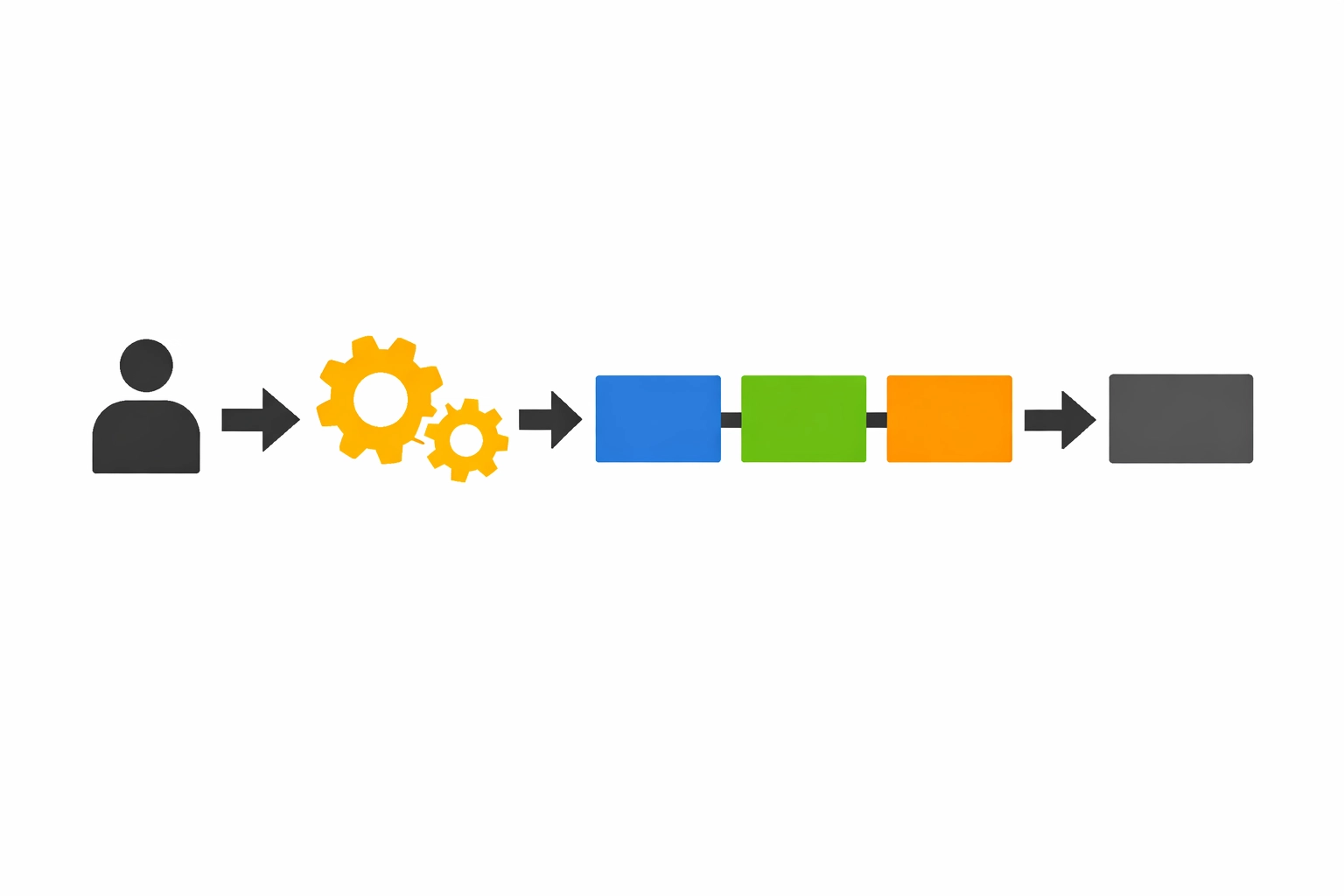
Here's how it works: A new employee accepts an offer. That single action automatically triggers a cascade of updates across your entire tech stack. Your HRIS creates their profile. Your IT system provisions their email and computer access. Your learning management system enrolls them in onboarding training. Your payroll system sets them up for their first check. Your benefits platform sends them enrollment information.
All of this happens without a single manual step or line of custom code. Your HR team goes from being data entry clerks to being strategic partners. And new hires get a seamless, professional onboarding experience that makes them excited to join your company.
An Employee Experience That Doesn't Suck
Your employees don't care about your tech stack: they just want to get their work done without fighting a dozen different systems. An API-first approach lets you create a unified interface where everything "just works."
Need to request time off? One click. Want to see your pay stubs? One portal. Need to update your address? Change it once, and it updates everywhere. This kind of smooth experience drives adoption, reduces training time, and makes your entire organization more efficient.
Scalability Without Starting Over
What happens when your 50-person company becomes a 200-person company? Or when you expand to a new state with different compliance requirements? Or when you decide to hire internationally?
Traditional HR platforms force you into painful, expensive migrations or lock you into their limited feature set. API-first ecosystems scale with you. Need to connect to a new payroll provider in another country? Plug it in. Want to add specialized compliance tools for new jurisdictions? No problem. Your core system stays the same; you just add new capabilities as needed.
Security You Can Actually Sleep On
I know what you're thinking: "This sounds great, but isn't connecting all these systems a security nightmare?"
Actually, it's the opposite. Modern API-first platforms come with enterprise-grade security baked in: encryption, zero-trust architecture, automated security testing, and real-time threat monitoring. You get compliance with SOC 2, ISO, GDPR, and HIPAA standards without having to become a security expert or hire a massive IT team.
Compare that to the security risks of having employees manually moving sensitive data between disconnected systems via spreadsheets and email. Which scenario sounds scarier?
How JHHR Helps You Navigate This Landscape
Here's the reality: knowing you need an API-first HR ecosystem and actually implementing one are two very different things. There are hundreds of tools out there, and figuring out which ones play nice together, how to structure your data flows, and how to actually make everything work can be overwhelming.
That's where JHHR comes in. We help SMBs design and implement HR tech ecosystems that actually work. We'll help you:
Assess your current systems and identify gaps
Recommend best-of-breed tools that fit your specific needs and budget
Design integration architecture that makes sense for your workflows
Manage implementations so you don't waste time or money
Train your team so adoption is smooth
We've done this dozens of times. We know which tools integrate easily, which ones are worth the investment, and which ones sound great in demos but fall flat in real life. More importantly, we understand the unique challenges SMBs face: limited budgets, small teams, and the need to move fast without breaking things.
The Bottom Line
The future of HR technology isn't about bigger, more bloated all-in-one platforms. It's about flexible, connected ecosystems that let you choose the best tools for your needs and make them work together seamlessly.
For SMBs, this isn't just a nice-to-have: it's how you compete with larger organizations that have bigger budgets and more resources. An API-first approach gives you enterprise capabilities at SMB prices, letting you focus on what actually matters: building a great company and taking care of your people.
The question isn't whether you should move to an API-first HR ecosystem. It's whether you can afford not to.
Want to explore how an API-first approach could transform your HR operations? Let's talk. We'll help you figure out what makes sense for your business: no pressure, no sales pitch, just practical advice from people who've been in the trenches.
Comments