Stop Wasting Money on Compliance Headaches: 10 HRIS Features That Automatically Handle 2026's New Regulations
If you're still tracking HR compliance with spreadsheets and sticky notes, you're hemorrhaging money. The average small business spends over $12,000 annually on compliance-related penalties, legal fees, and administrative overhead: costs that modern HRIS technology can virtually eliminate.
2025 has brought a tsunami of new regulations: AI hiring guidelines, expanded remote work laws, stricter data privacy requirements, and constantly shifting labor standards. Manual compliance tracking isn't just inefficient anymore: it's a business risk that can sink your company.
The good news? Today's HRIS platforms have evolved far beyond basic payroll processing. They now include sophisticated compliance automation that handles regulatory changes in real-time, transforming your biggest administrative headache into a streamlined, automated process.
Here are the 10 essential HRIS features that will stop compliance from draining your budget and consuming your HR team's valuable time.
1. Real-Time Regulatory Tracking Across Multiple Jurisdictions
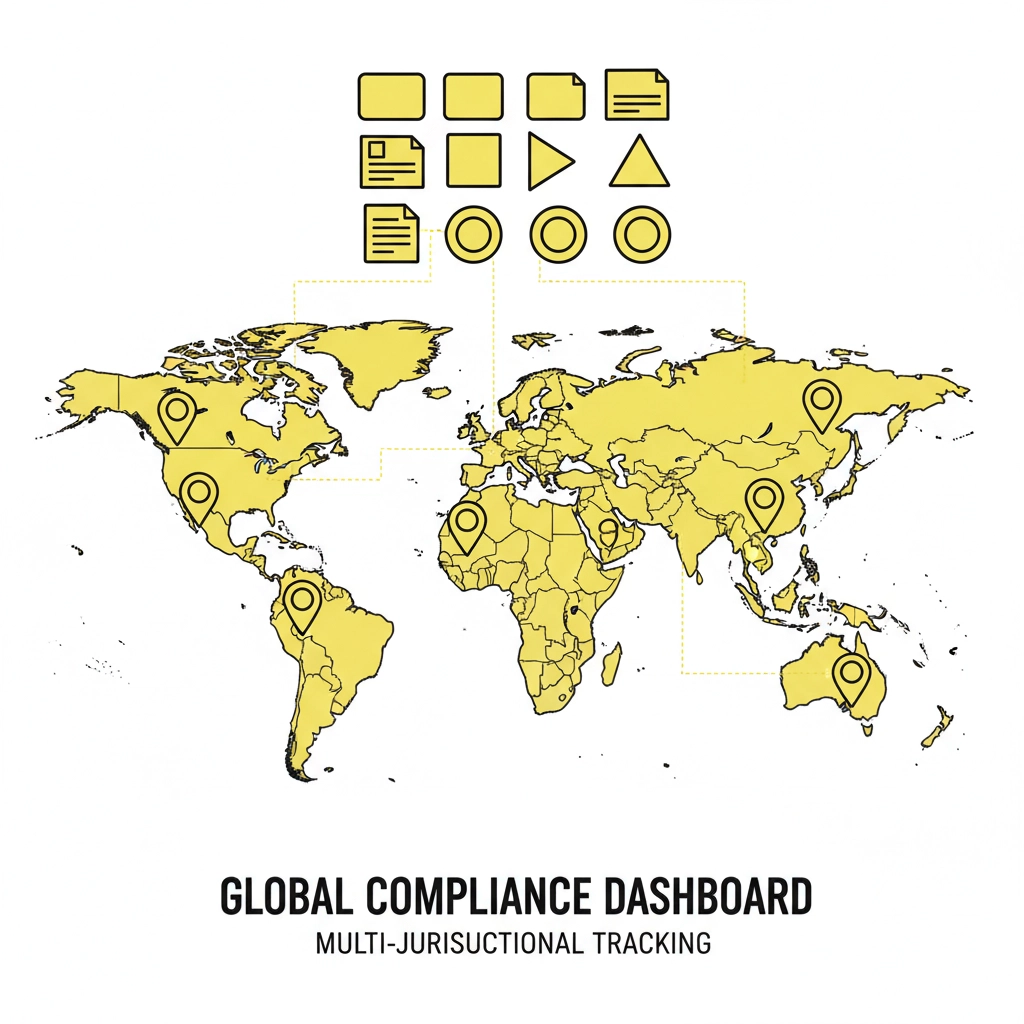
Gone are the days when HR teams could monitor just federal and state laws. With remote work now standard, your employees might be subject to regulations in dozens of different cities, counties, and states. Modern HRIS platforms automatically track labor law changes across all relevant jurisdictions where your employees work.
This feature monitors everything from minimum wage adjustments and overtime thresholds to local sick leave requirements and tax obligations. When Sacramento updates its fair scheduling ordinance or when federal guidelines change AI hiring practices, your system knows immediately: and adjusts accordingly.
2. Automated Document Management and Retention Policies
Compliance audits can arrive with just 24 hours' notice. When they do, you need instant access to employee records, policy acknowledgments, training certificates, and communication logs. Advanced HRIS document management goes beyond simple storage: it automatically organizes files according to legal requirements and retention schedules.
The system ensures I-9 forms are stored correctly, performance reviews are dated and signed, and sensitive documents like medical records remain properly segregated. More importantly, it automatically purges documents when legally required, protecting you from data retention violations.
3. Intelligent Compliance Alert System
The most expensive compliance mistakes happen when deadlines slip through the cracks. Premium HRIS platforms provide multi-layered alert systems that notify relevant team members at strategic intervals: typically 30 days, 7 days, and 24 hours before critical deadlines.
These aren't generic reminders. The system tracks certification renewals, filing deadlines, policy review dates, and training requirements specific to each employee's role and location. Your system knows that managers in California need sexual harassment training every two years, while those in New York need it annually.
4. Automated Payroll Compliance Adjustments
When minimum wage increases or overtime rules change, manual payroll adjustments create a cascade of potential errors. Modern HRIS platforms automatically implement regulatory changes across your entire payroll system the moment they take effect.
This includes complex scenarios like fluctuating local minimum wages, new overtime exemption thresholds, and changing tax withholding requirements. The system calculates retroactive adjustments when necessary and generates the documentation needed for compliance verification.
5. Integrated Leave Management and Accrual Tracking
Leave laws have become incredibly complex, with different accrual rates, carryover rules, and payout requirements varying by location and employee classification. HRIS leave management modules automatically calculate entitlements based on each employee's specific situation, location, and tenure.
The system tracks FMLA eligibility, state-specific sick leave requirements, and local fair workweek provisions. When employees request time off, the system automatically determines which leave banks apply and ensures proper documentation for legal compliance.
6. Comprehensive Audit Trail Generation
During compliance investigations, you need to demonstrate not just what decisions were made, but why and when they were made. Advanced HRIS platforms create detailed audit trails that connect every action to specific users, timestamps, and supporting documentation.
These trails track policy acknowledgments, disciplinary actions, accommodation requests, and training completions. The system maintains this information in a format that meets legal discovery requirements, potentially saving thousands in legal preparation costs.
7. Automated Reporting and Filing Capabilities
Many compliance requirements involve regular reporting to government agencies: EEO-1 reports, ACA filings, worker compensation audits, and unemployment insurance reporting. Modern HRIS platforms automatically compile this data and can often file reports directly with relevant agencies.
The system ensures data consistency across reports, flags potential issues before submission, and maintains filing confirmations for your records. This automation eliminates the time-consuming process of manually compiling data from multiple sources while reducing the risk of filing errors.
8. Employee Classification Management
Worker misclassification remains one of the most expensive compliance mistakes businesses make. Advanced HRIS platforms include decision trees and automated assessments that help ensure proper classification of employees, contractors, and temporary workers.
The system tracks factors like work arrangement, control level, and financial relationship, alerting you when classifications might need review. As regulations around gig work and contractor relationships continue evolving, this feature becomes increasingly critical.
9. Training and Certification Tracking
Many regulations require specific training programs with defined frequencies and content requirements. HRIS training modules automatically assign required training based on employee roles, locations, and regulatory requirements.
The system tracks completion rates, generates compliance reports, and automatically reassigns training when certifications expire. It can integrate with external learning management systems and maintains detailed records of training content, completion dates, and assessment scores.
10. Data Privacy and Security Compliance
With regulations like GDPR, CCPA, and emerging AI privacy laws, data protection has become a critical compliance area. Modern HRIS platforms include built-in privacy controls that automatically handle consent management, data retention limits, and access restrictions.
The system can automatically anonymize data when legally required, track data processing activities, and generate privacy impact assessments. Employee data requests: whether for access, correction, or deletion: can be handled automatically through secure portals.
The ROI of Automated Compliance
Implementing these HRIS compliance features typically costs between $3-8 per employee per month. Compare that to the average cost of a single compliance violation: $7,500 for wage and hour violations, $15,000 for discrimination claims, and potentially hundreds of thousands for serious data breaches.
Beyond avoiding penalties, automation frees your HR team to focus on strategic initiatives rather than administrative tasks. Companies report that comprehensive HRIS implementation typically reduces compliance-related administrative time by 60-80%, allowing HR professionals to concentrate on talent development, employee engagement, and business growth.
The regulatory landscape will only continue growing more complex. Businesses that invest in automated compliance infrastructure today position themselves to handle whatever new requirements emerge tomorrow: without the last-minute scrambling and expensive mistakes that plague organizations still managing compliance manually.
Ready to transform your compliance headaches into automated processes? The technology exists today to eliminate most compliance-related stress from your HR operations. The question isn't whether you can afford to implement these systems: it's whether you can afford not to.
For guidance on selecting and implementing the right HRIS compliance features for your business, contact our team for a consultation tailored to your specific regulatory requirements and business needs.
Comments