HR-IT Collaboration Secrets Revealed: What Technology Vendors Don't Want You to Know About Strategic Implementation
When technology vendors pitch their HR solutions, they focus on features, integrations, and ROI projections. What they don't tell you is that 70% of HR technology implementations fail not because of the software itself, but because of poor collaboration between HR and IT teams during the strategic planning phase.
After working with dozens of organizations through their HRIS implementations, I've seen the same patterns emerge repeatedly. The companies that succeed understand something that vendors rarely emphasize: the technology is only as good as the collaboration framework you build around it.
The Hidden Cost of Siloed Implementation
Most organizations approach HRIS selection like they're buying a car: they compare features, negotiate price, and expect it to work perfectly out of the box. But here's what vendors don't highlight during those polished sales presentations: without proper HR-IT alignment, even the most sophisticated platforms become expensive digital filing cabinets.
Consider this scenario: HR selects a new HRIS that promises seamless employee onboarding. IT wasn't involved in the selection process, so they discover post-purchase that the new system doesn't integrate with their identity management platform. Result? New hires still wait five days for system access while IT manually provisions accounts, defeating the entire purpose of the "automated" onboarding workflow.
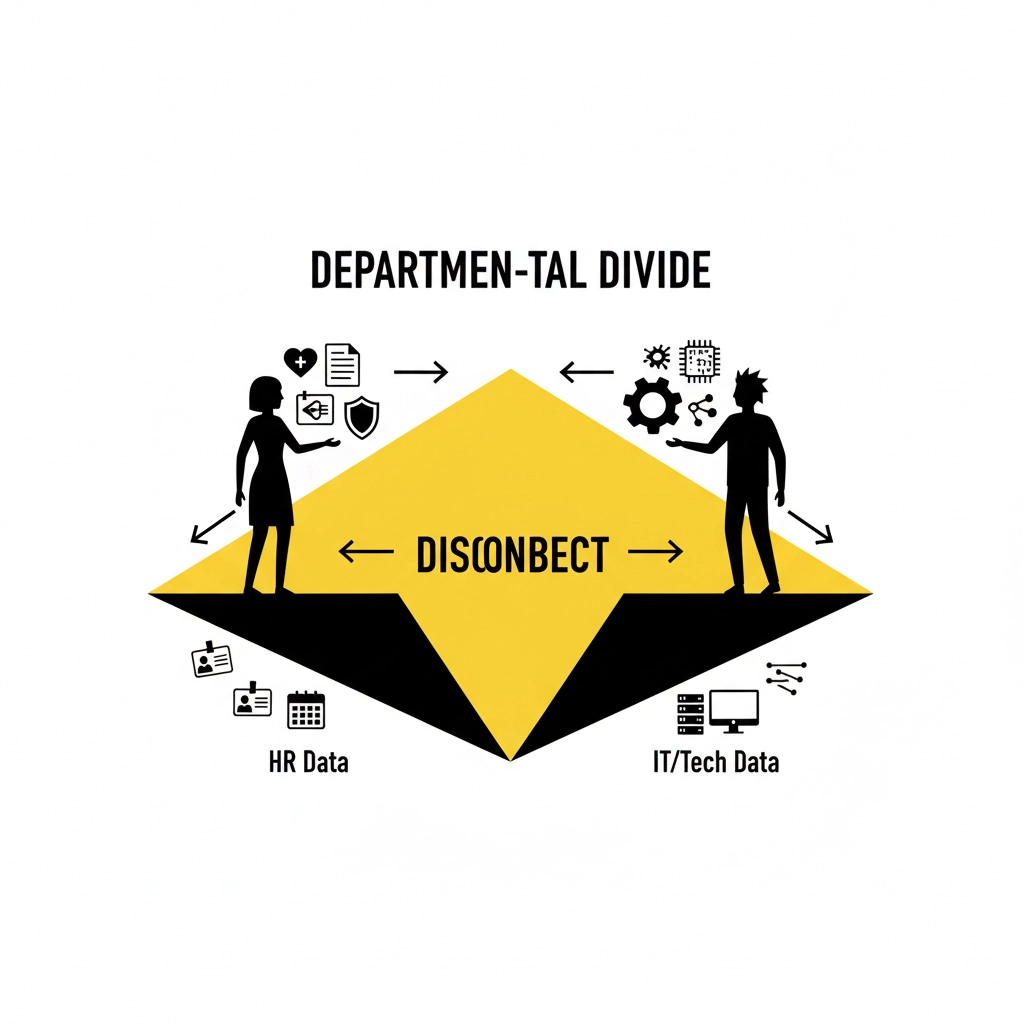
This isn't an edge case: it's the norm. Organizations waste an average of $50,000 annually on technology inefficiencies that could be prevented with proper upfront collaboration between HR and IT teams.
What Vendors Don't Tell You About Integration
During the sales process, vendors will show you impressive integration capabilities and API documentation. What they won't tell you is that integration success depends more on your internal processes than their technical specifications.
The dirty secret? Most HRIS vendors build their integration showcases around ideal scenarios with unlimited budgets and dedicated technical resources. They don't account for the reality that most small to mid-sized businesses have IT teams already stretched thin, managing everything from cybersecurity to printer maintenance.
Here's the strategic framework successful organizations use instead:
Start with workflow mapping, not feature comparison. Before you ever speak to a vendor, document how information currently flows between HR and IT. Map out every touchpoint: new hire provisioning, role changes, terminations, and system access requests. Only then can you evaluate whether a vendor's solution actually solves your specific workflow challenges.
Prioritize bi-directional integration over flashy features. The most critical capability isn't whether the HRIS has AI-powered analytics: it's whether changes in the HRIS automatically trigger corresponding updates in your IT systems. When someone gets promoted, do their system permissions update automatically? When they leave, does their access get revoked immediately? These operational fundamentals matter more than any dashboard feature.
The Real Implementation Strategy
Vendors sell you a project timeline that looks clean and linear: planning, configuration, testing, launch. Reality is messier, and successful organizations plan for it.
Phase 1: Alignment Before Architecture
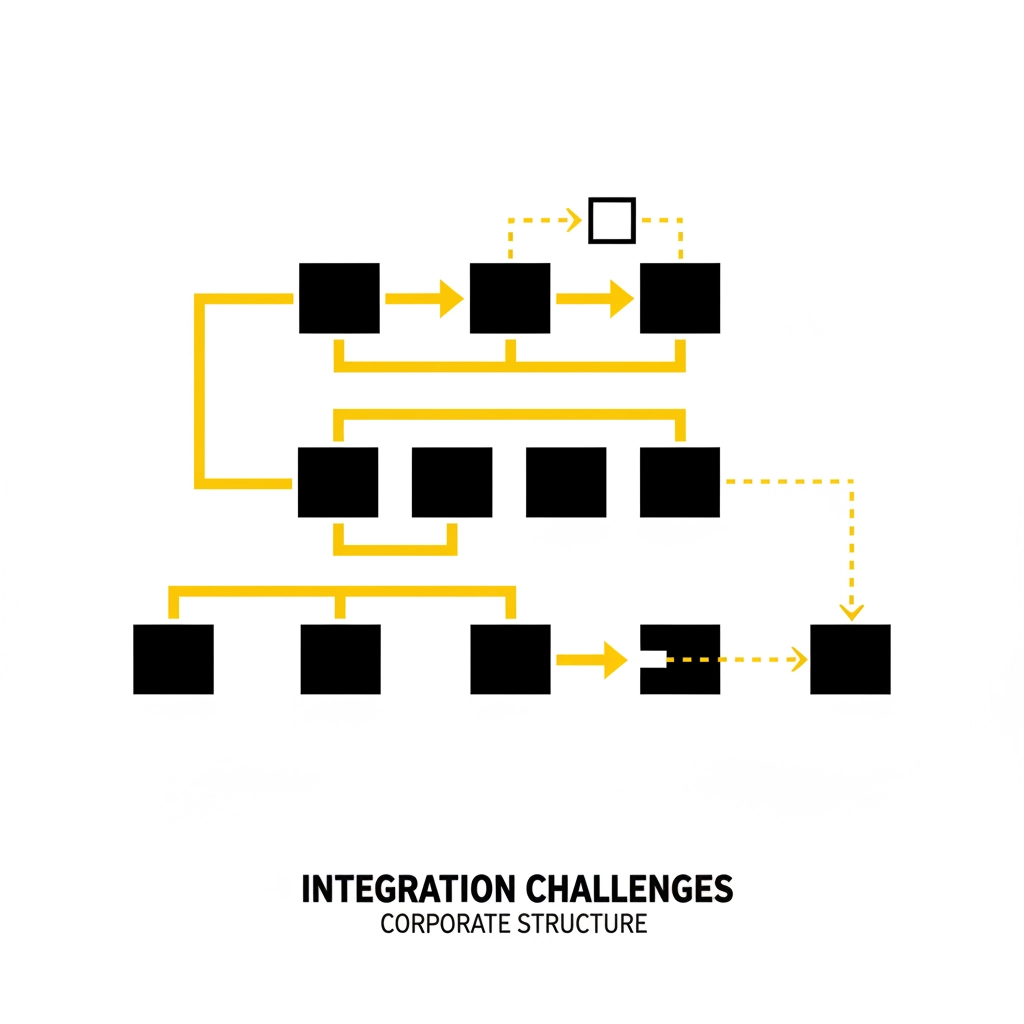
The most crucial phase happens before you even sign a contract. HR and IT leaders must agree on shared objectives and non-negotiable requirements. This isn't a one-hour meeting: it's a collaborative planning process that identifies potential friction points and establishes clear accountability.
Smart organizations create a joint HR-IT working group that includes representatives who actually do the day-to-day work, not just managers. These are the people who understand where current systems break down and can spot potential implementation pitfalls early.
Phase 2: Pilot with Purpose
Instead of rolling out enterprise-wide immediately, successful implementations start with a carefully selected pilot group. Choose a department that's representative of your broader organization but small enough to manage closely. Use this pilot to test not just the technology, but the collaboration processes between HR and IT.
Document everything that doesn't work as expected. Most implementation problems aren't bugs: they're misaligned expectations or missing process steps that only become apparent during real-world use.
Phase 3: Communication Architecture
This is where most implementations fail, and vendors provide the least guidance. You need explicit protocols for how HR and IT will communicate during and after implementation.
Establish clear escalation procedures, define who makes decisions about configuration changes, and create regular check-in schedules that continue long after go-live. The technology will evolve, your organization will change, and maintaining alignment requires ongoing attention.
Change Management: The Vendor Blind Spot
Technology vendors focus on user adoption within HR teams but consistently underestimate the change management required across the entire organization. Employees don't resist new HR technology because it's complicated: they resist it because it changes how they interact with IT support and system access.
When you implement a new HRIS, you're not just changing HR processes. You're changing how employees request system access, how managers approve role changes, and how IT responds to support requests. Each of these touchpoints requires explicit communication and training.

Successful organizations treat HRIS implementation as an organization-wide change initiative, not an HR project. They create communication plans that explain not just how to use the new system, but why the old way of doing things wasn't working and how the new approach benefits everyone.
Measuring What Actually Matters
Vendors love to provide metrics about user logins and feature utilization. These vanity metrics tell you nothing about whether your implementation is actually successful.
Instead, measure operational efficiency: How long does it take to provision access for new hires? How quickly can you process role changes? What percentage of IT support requests are HR-related, and is that number decreasing?
Track collaboration quality: Are HR and IT teams communicating more effectively? Are there fewer escalated issues? Do employees report smoother experiences with system access and changes?
Most importantly, measure business impact: Are you able to hire faster? Can you respond more quickly to organizational changes? Is compliance easier to maintain?
The Strategic Advantage
Organizations that master HR-IT collaboration during HRIS implementation gain a significant competitive advantage. They can hire faster, adapt to change more quickly, and maintain better security and compliance posture.
But this advantage doesn't come from having the most sophisticated technology: it comes from having the most effective collaboration framework. When HR and IT teams work as strategic partners rather than separate departments, they can leverage any technology platform effectively.
The vendors who win long-term relationships understand this reality. They don't just sell software; they help organizations build the collaboration capabilities that make any technology implementation successful.
For HR leaders evaluating new technology, the question isn't which vendor has the best features. The question is which vendor understands that successful implementation depends as much on organizational dynamics as technical capabilities: and is willing to invest in supporting both.
When you find vendors who emphasize collaboration frameworks alongside technical specifications, you've found partners who understand what really drives implementation success. Everyone else is just selling software.
If you're preparing for an HRIS implementation and want guidance on building effective HR-IT collaboration, our team at JHHR specializes in helping organizations navigate these strategic challenges successfully.
Comments