Skills Gap Crisis: How to Use Your HRIS to Identify Training Needs Before Your Competition Does
The skills gap isn't just a buzzword: it's a business reality that's costing companies millions in lost productivity, missed opportunities, and competitive disadvantage. While your competitors are still scrambling with spreadsheets and guesswork, smart organizations are leveraging their Human Resource Information Systems (HRIS) to identify training needs with surgical precision.
Here's the hard truth: 87% of companies already know they have a skills gap, but less than half have a systematic approach to address it. That's where your competitive edge lies: in the data that's sitting right in your HRIS, waiting to be unleashed.
The Hidden Power of Your HRIS Data
Your HRIS isn't just a digital filing cabinet for employee records. It's a goldmine of workforce intelligence that can predict where your skills gaps will emerge before they become critical problems. Every performance review, competency assessment, and training completion record tells a story about your organization's capabilities: and vulnerabilities.
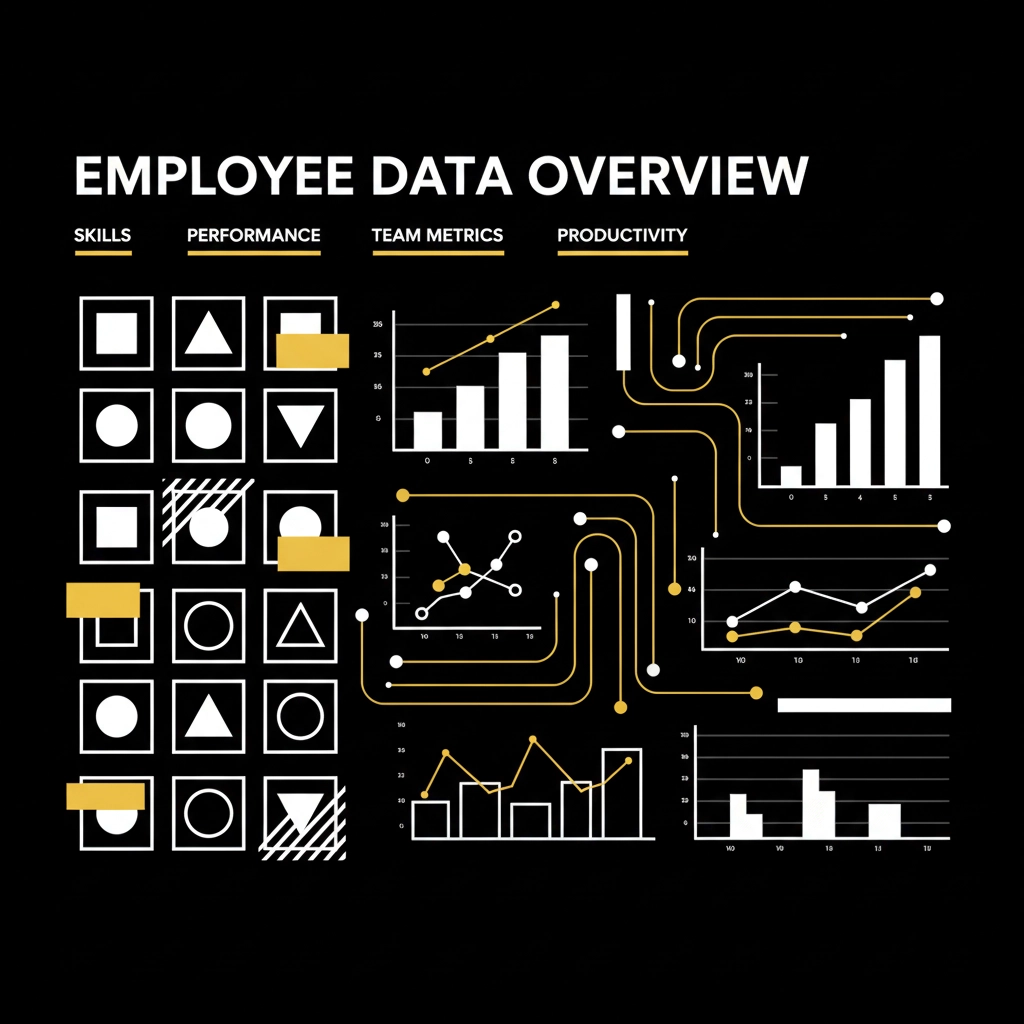
The beauty of using HRIS for skills gap analysis lies in its objectivity. Instead of relying on manager hunches or employee self-assessments (which can be notoriously unreliable), you're working with concrete data points that reveal patterns invisible to the naked eye.
Most companies miss this because they're treating their HRIS as a compliance tool rather than a strategic weapon. They're tracking training for audit purposes instead of using that data to predict and prevent future skills shortages.
The Strategic Framework: From Data to Competitive Advantage
Step 1: Define Your Future State
Before diving into data analysis, you need clarity on where your organization is headed. What new technologies will you implement in the next 18 months? Which markets are you entering? What processes are you automating?
Your HRIS can help here too. Look at your organizational chart and succession planning data to identify critical roles that will drive future growth. These are your priority positions for skills gap analysis.
Step 2: Map Current Capabilities
This is where your HRIS shines. Pull data from multiple sources within your system:
Performance evaluation scores by competency
Training completion rates and assessment results
Certification tracking and expiration dates
Career development plans and progression data
Manager feedback and 360-degree review results

The key is creating a comprehensive skills inventory that goes beyond job descriptions. You want to understand not just what people are supposed to do, but what they actually can do well.
Step 3: Identify High-Priority Gaps
Now comes the analysis phase. Use your HRIS reporting tools to compare required skills against current capabilities. Look for patterns:
Which departments show the largest gaps in critical skills?
Are certain skills consistently rated below proficiency across multiple roles?
Where do you see the biggest disconnect between job requirements and actual performance?
Which skills gaps are most likely to impact your strategic objectives?
Smart HRIS platforms can automate much of this comparison, providing visual dashboards that make gaps immediately obvious. If your system doesn't have built-in analytics, export the data to create heat maps showing where your biggest vulnerabilities lie.
Turning Insights into Action
Identifying gaps is only half the battle. The real competitive advantage comes from how quickly and effectively you address them. Here's where many organizations stumble: they identify the problems but fail to create targeted solutions.
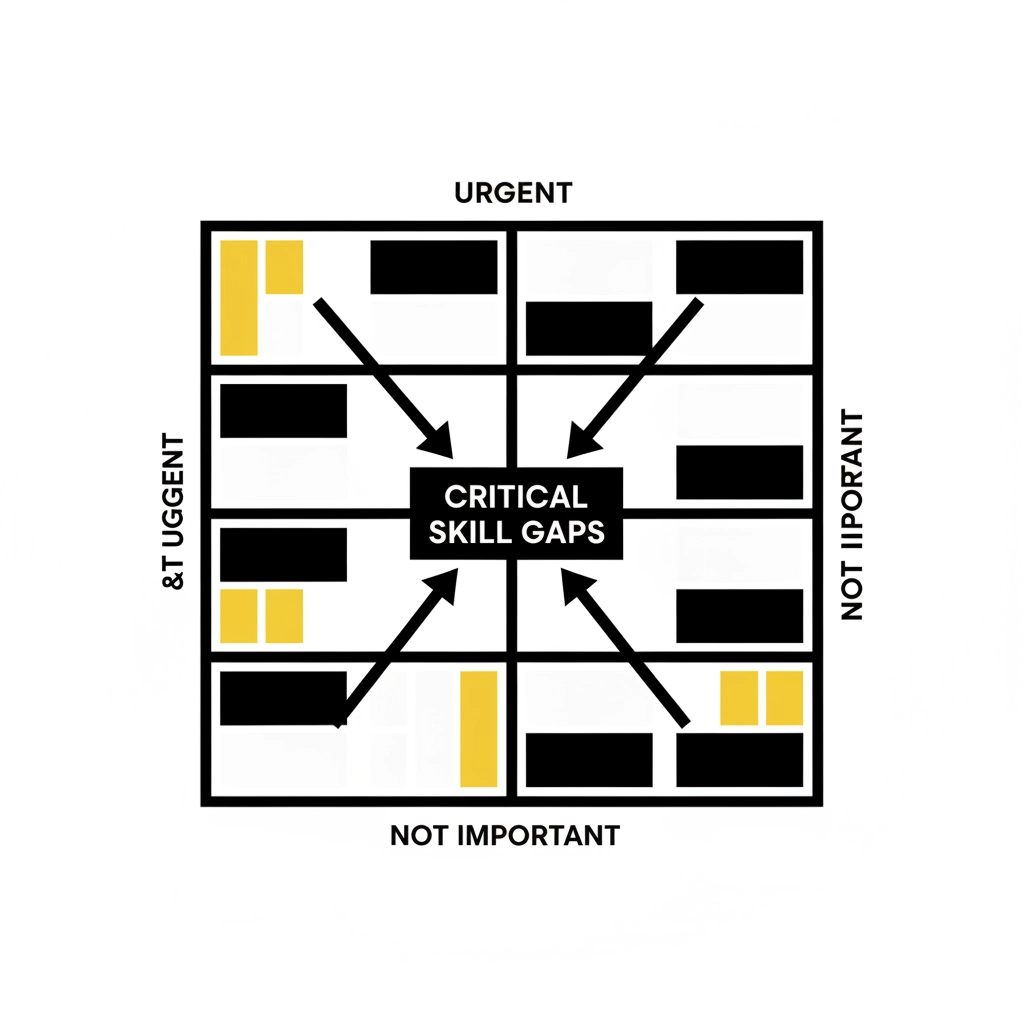
Prioritize Based on Business Impact
Not all skills gaps are created equal. Use your HRIS data to prioritize based on:
How many employees are affected
The strategic importance of the skill
The timeline for when you'll need the capability
The cost of external hiring versus internal development
Create Targeted Development Pathways
Your HRIS should track not just what training employees need, but their preferred learning styles, past training effectiveness, and career aspirations. Use this data to create personalized development plans that employees actually want to complete.
For example, if your data shows that visual learners in your engineering department have higher training completion rates, prioritize video-based learning for technical skills development in that group.
Monitor Progress in Real-Time
This is where most competitors fall behind: they do the analysis, implement training, then wait six months to see if it worked. Your HRIS can track progress in real-time through:
Competency assessment scores over time
Training module completion rates
Performance improvement metrics
Manager feedback trends
Set up automated alerts when employees complete training milestones or when assessment scores improve, so you can adjust your approach quickly.
Common Mistakes That Kill Competitive Advantage
Even with great HRIS data, companies often sabotage their own efforts. Avoid these critical errors:
Data Quality Issues: Garbage in, garbage out. If your HRIS data is outdated or incomplete, your analysis will lead you astray. Regular data audits and manager training on proper documentation are essential.
Analysis Paralysis: Don't wait for perfect data to start taking action. Use your HRIS to identify the most obvious gaps and begin addressing them while you refine your analysis process.
One-Size-Fits-All Training: Just because your HRIS identifies a skills gap doesn't mean everyone needs the same training. Use the individual data to customize development plans.
Ignoring Soft Skills: Technical skills gaps are easier to measure, but don't neglect leadership, communication, and emotional intelligence capabilities that your HRIS can track through 360 reviews and peer feedback.
The ROI of Strategic Skills Gap Analysis
Companies that use their HRIS strategically for skills gap analysis see measurable results:
23% reduction in time-to-competency for new skills
31% improvement in employee retention (people stay when they see growth opportunities)
18% increase in internal promotion rates
15% reduction in external hiring costs for critical roles
But perhaps most importantly, they develop capabilities faster than competitors who are still using manual processes or gut instincts to guide their talent development strategies.
Making It Happen: Your Next Steps
Start small but think big. Pick one critical role or department and run a pilot skills gap analysis using your HRIS data. Document what works, what doesn't, and what additional data you need to capture.
Most HR teams underestimate how much valuable data they already have in their HRIS. Before investing in new assessment tools or external consultants, maximize what you've already got. You might be surprised how much insight is hiding in plain sight.
The skills gap crisis isn't going away: it's accelerating as technology evolves and markets shift. But organizations that master the art of using their HRIS for predictive skills analysis will build a sustainable competitive advantage that's hard for competitors to replicate.
Your HRIS data is already there, waiting to reveal where your next competitive advantage lies. The question is: will you uncover it before your competition does?
Ready to transform your approach to skills gap analysis? At JHHR, LLC, we help organizations unlock the strategic potential of their HRIS data to build stronger, more capable teams. Let's discuss how your current system can become a competitive weapon.
Comments